Top 10 War Movies of 1930
Top 10 War Movies of 1930
Exploring War Cinema of 1930
The year 1930 was a fascinating time for cinema, especially when it came to war films. Just over a decade after the end of World War I, filmmakers were beginning to process the impact of the Great War, which had left an indelible mark on society. The movies produced during this time offered audiences a chance to reflect on the war's harsh realities, often emphasizing themes of heroism, sacrifice, and the futility of conflict. These films were pivotal in shaping the war genre, offering a mix of raw emotion and powerful storytelling that still resonates today. Let's journey back to 1930 and explore the top ten war movies that made a significant impact on the cinematic landscape and continue to be cherished by collectors and enthusiasts alike.
Why It Tops the List
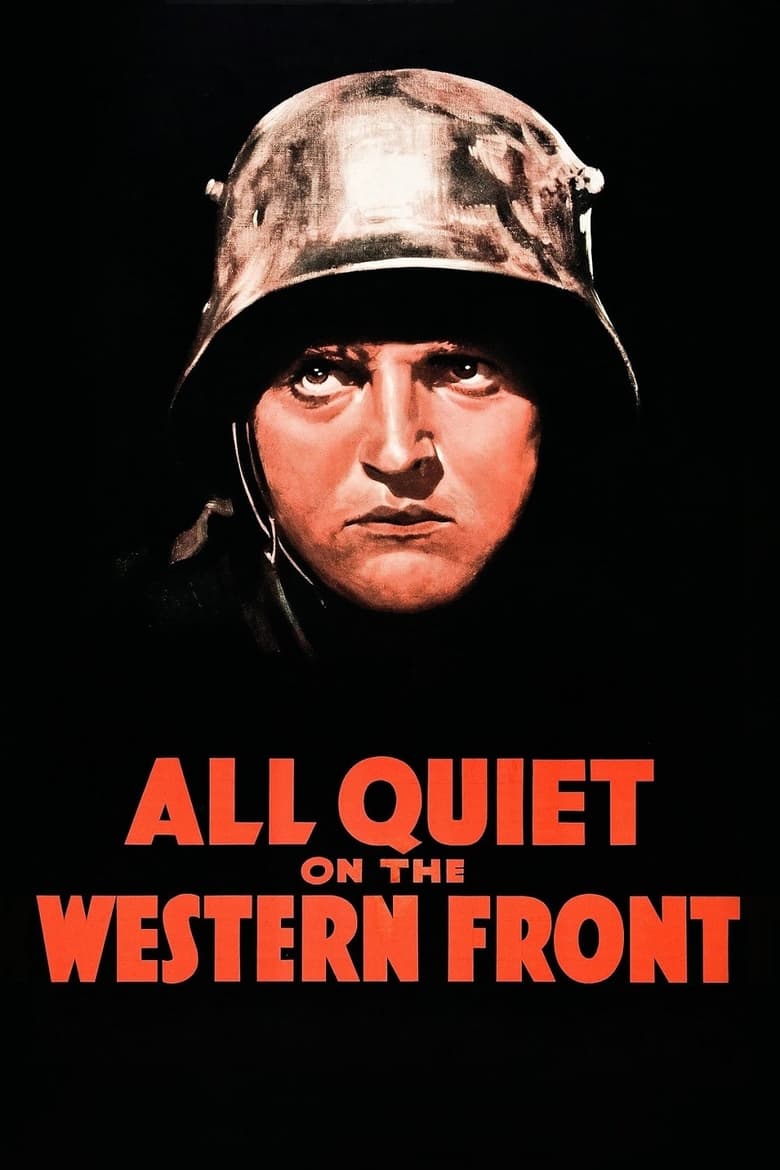
"All Quiet on the Western Front" is not just a war movie; it's a profound anti-war statement that transcends its era. Based on Erich Maria Remarque's novel, the film provides a harrowing depiction of the frontline experiences of German soldiers during World War I. Its unflinching portrayal of the horrors of war and its emphasis on the soldiers' personal struggles make it a timeless classic.
Collector's Notes
For collectors, the 1930 version of this film is a prized possession. It won the Academy Award for Best Picture and Best Director, making it an essential piece for any serious film collection. The film's historical significance and its groundbreaking special effects for the time enhance its value.
Why It Stands Out
"Journey's End" offers a poignant and personal look at the psychological toll of war. Based on R.C. Sherriff's successful play, it depicts a group of British officers in the trenches during World War I. The film is notable for its intense character development and its focus on mental strain, which was quite innovative for its time.
Collector's Notes
Collectors appreciate "Journey's End" for its authentic portrayal of life in the trenches. The film's reliance on strong performances and its historical context make it an important part of any early war film collection. Its reputation has only grown over the decades, making original prints highly sought after.
Why It Makes the List
"Hell's Angels" is celebrated for its spectacular aerial combat sequences and its ambitious production scale. Directed by Howard Hughes, the film broke new ground with its use of sound and special effects. It tells the story of two brothers in the British Royal Flying Corps and their experiences in World War I.
Collector's Notes
The film is a collector's dream, primarily because of its lavish production and the legend surrounding its making. With Hughes' reputation for meticulous attention to detail, "Hell's Angels" is a benchmark in early aviation films. Collectors value its technical achievements and the historical context of its production.
Why It Earns Its Place
"The Dawn Patrol" is a gripping tale of camaraderie and bravery among World War I fighter pilots. It focuses on the emotional strain faced by the men as they deal with the constant threat of death. The film's strong narrative and character-driven plot make it stand out.
Collector's Notes
Collectors are drawn to "The Dawn Patrol" for its compelling storytelling and its place in the evolution of war films. The movie's focus on human emotion and sacrifice adds depth to any collection, and its early sound design is of particular interest to those fascinated by the development of film technology.
Why It Deserves Recognition
While "The Big House" is not a traditional war film, it's included here for its depiction of the aftermath of war and its impact on society. The film explores themes of crime and punishment, focusing on a convict who turns his life around.
Collector's Notes
This movie is an interesting addition to a war film collection because it addresses the social consequences of war. It was groundbreaking in its use of sound, winning an Academy Award for Best Sound Recording, and for its gritty portrayal of life behind bars, reflecting the struggles faced by many veterans.
Why It’s Noteworthy
"The Last of the Lone Wolf" offers a blend of espionage and adventure set against the backdrop of post-war Europe. While not a direct war film, its themes of intrigue and suspense capture the tense atmosphere of the era.
Collector's Notes
Collectors appreciate this film for its unique take on the war genre, focusing on the espionage elements that were part of the post-war narrative. Its rarity adds to its allure, making it a fascinating addition to collections centered on early 20th-century cinema.
Why It’s a Must-See
Directed by John Ford, "Men Without Women" explores the lives of submariners during wartime. The film is notable for its focus on the camaraderie and isolation experienced by the crew, offering a different perspective on war.
Collector's Notes
John Ford's direction makes this film a valuable piece for collectors. Its innovative use of sound and the tense, claustrophobic atmosphere make it stand out among other war films of its time. "Men Without Women" is a testament to Ford's ability to create compelling narratives under challenging circumstances.
Why It’s Included
Though "Moby Dick" is primarily known as a sea adventure, its 1930 adaptation includes elements of human conflict and survival that mirror wartime struggles. The film’s dramatic storytelling and strong performances make it noteworthy.
Collector's Notes
For collectors, this adaptation of "Moby Dick" is intriguing because of its early sound design and its attempt to blend adventure with the psychological aspects of conflict. It represents a different but complementary angle to the traditional war film collection.
Why It’s Repeated on This List
Interestingly, "The Dawn Patrol" was remade in 1938, but the original 1930 version remains significant for its authenticity and pioneering spirit in aviation film. It captures the heroism and peril faced by World War I pilots, with a poignancy that resonates even today.
Collector's Notes
Collectors often seek out both versions of "The Dawn Patrol" to compare the different approaches to the same story. The 1930 version is particularly valued for its influence on later aviation and war films, representing a key moment in the genre’s history.
Why It Closes the List
Though primarily a Western, "The Big Trail" includes elements of conflict and exploration that echo the themes of war. Its expansive scope and innovative widescreen format make it a technical marvel for its time.
Collector's Notes
"The Big Trail" is a must-have for collectors interested in the technological advancements of early cinema. Its use of the pioneering 70mm Grandeur film format and its epic storytelling provide a unique perspective, blending the frontier spirit with the undertones of conflict and survival, similar to a war narrative.
Wrapping Up the 1930 War Film Journey
The year 1930 was a landmark period for war films, with filmmakers using the medium to explore the psychological, social, and emotional impacts of World War I. These movies not only entertained but also offered profound reflections on the nature of conflict, leaving a lasting legacy. Each film on this list holds a unique place in history, from the sweeping aerial battles of "Hell's Angels" to the intimate psychological drama of "Journey's End." For collectors, these films represent more than just entertainment; they are artifacts of cinematic history that capture the zeitgeist of a world grappling with the aftermath of war. As you explore these classics, consider how they have shaped our understanding of war and how they continue to resonate with audiences today. Happy collecting!