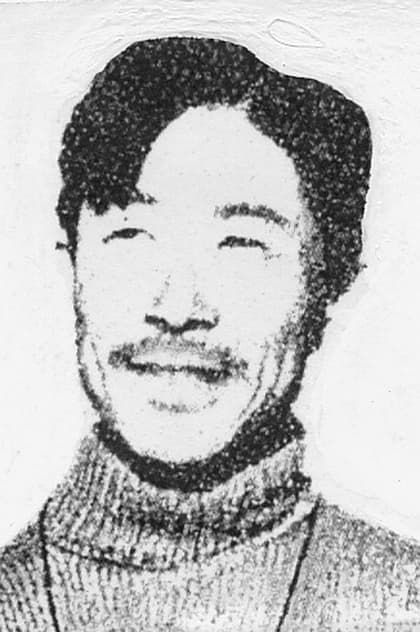
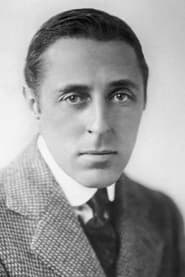
Baek Un-haeng, also known as Bang Han-jun, was a pioneering Korean film director whose work in the late 1930s and early 1940s laid the groundwork for the future of Korean cinema. His most notable film, "Garden of Victory" (1940), is celebrated not only for its artistic merit but also for its historical significance as one of the last films produced before the tumultuous years of the Korean War. This film is particularly sought after by collectors for its rich storytelling and cultural context, encapsulating the complexities of Korean identity during a time of great upheaval.
Despite his promising career, Baek's fate remains shrouded in mystery following his disappearance during the Korean War in 1950. Collectors are drawn to his work not only for the rarity of his films but also for the poignant legacy he left behind. The scarcity of physical media featuring Baek's films, especially "Garden of Victory," makes them valuable treasures among enthusiasts of film history and home video releases, ensuring that his contributions to cinema are not forgotten.