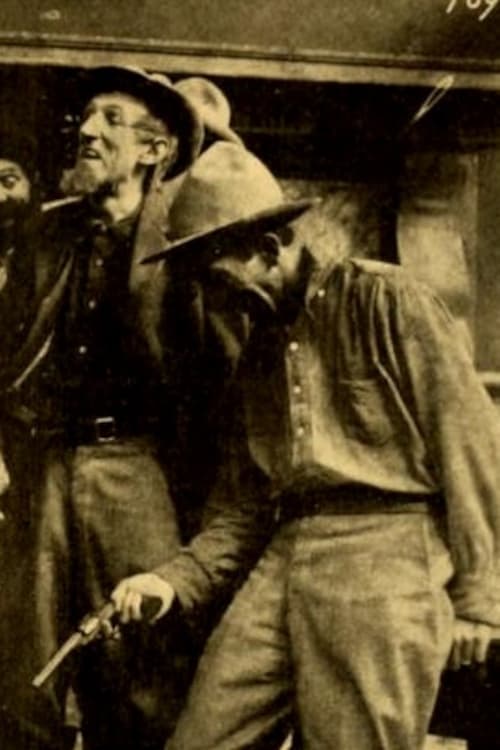
Bertha Muzzy Sinclair was a pioneering figure in early cinema, known for her unique ability to adapt her novels into screenplays during the transformative years of the 1910s. Her most notable work, "North of Fifty-Three" (1917), showcases her talent for storytelling and has become a sought-after title among collectors of silent film history. The film’s exploration of themes such as adventure and the human spirit resonates with audiences even today, making it a staple in any serious collector's library.
Collectors are particularly drawn to Sinclair's work due to its historical significance and the rarity of physical media from this era. Her adaptations not only highlight her literary prowess but also provide insight into the evolving landscape of early 20th-century cinema. As a result, Sinclair's films, especially "North of Fifty-Three," represent a crucial link between literature and film, making them invaluable assets for enthusiasts seeking to preserve the legacy of silent cinema.