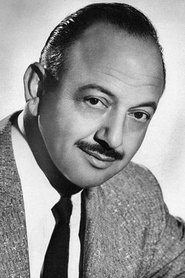
Byeong-Ryong Choe is a pivotal figure in the history of Korean cinema, particularly noted for his compelling performances in the silent film era. His most significant work, "The Story of Jang-Hwa and Hong-Ryeon" (1924), remains a cornerstone of film history and a highly sought-after title among collectors. This haunting tale, which explores themes of love and betrayal, showcases Choe's ability to convey deep emotion without dialogue, making it a masterpiece of visual storytelling.
Collectors are particularly drawn to Choe's films not only for their artistic merit but also for their historical significance within the context of Korean culture and cinema's evolution. As physical media enthusiasts hunt for rare releases, the enduring legacy of Choe's performances in these early films continues to captivate audiences, ensuring that titles featuring his work are treasured additions to any serious collection. With its recent restorations and special editions, "The Story of Jang-Hwa and Hong-Ryeon" stands out as an essential piece for anyone looking to appreciate the roots of cinematic expression.