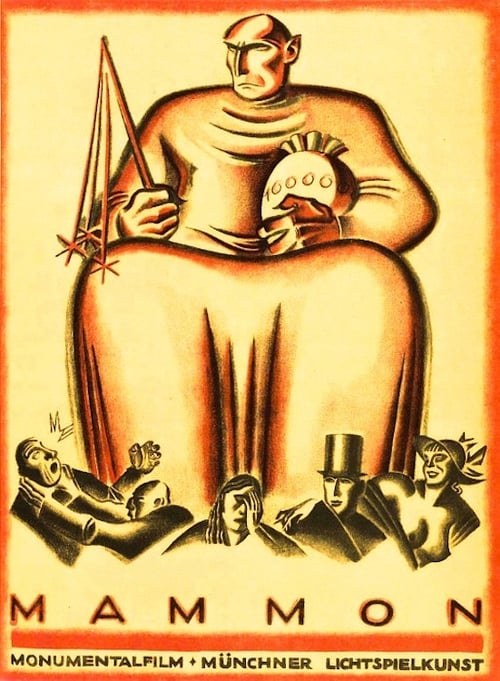
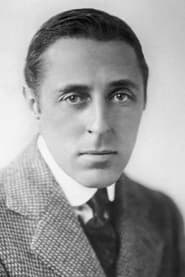
Carl Schönfeld was a pioneering figure in early German cinema, best known for his ambitious two-part epic, "Der Eisenbahnkönig" (1921). This film, which translates to "The Railway King," explores the intersection of greed and innovation during the rise of the railway industry, and has become a significant piece for collectors of silent cinema. The first part, "Mensch und Mammon," delves into the moral dilemmas faced by its characters, while the second part, "Lauernder Tod," heightens the tension with a thrilling narrative that has captivated audiences and collectors alike.
Schönfeld's works are highly sought after not just for their historical significance but also for their artistic merit. The meticulous craftsmanship and innovative storytelling techniques showcased in these films have cemented their status as collectible classics. Home video releases of "Der Eisenbahnkönig" often feature restored versions and valuable extras, making them prized possessions for any serious physical media enthusiast. Collectors appreciate Schönfeld's contributions to the medium, recognizing the lasting impact of his work in shaping cinematic history.