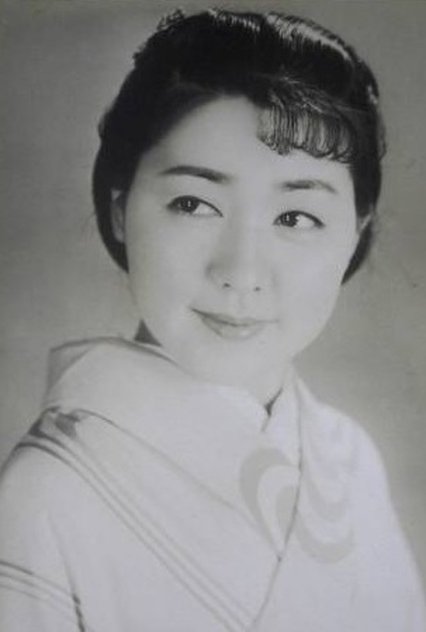
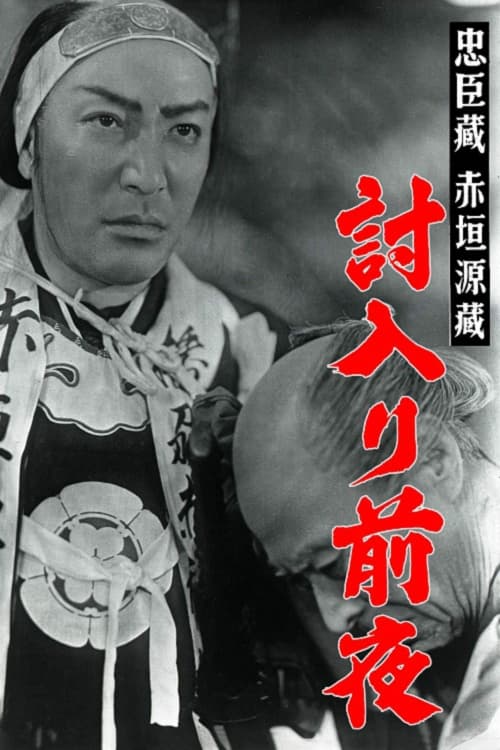
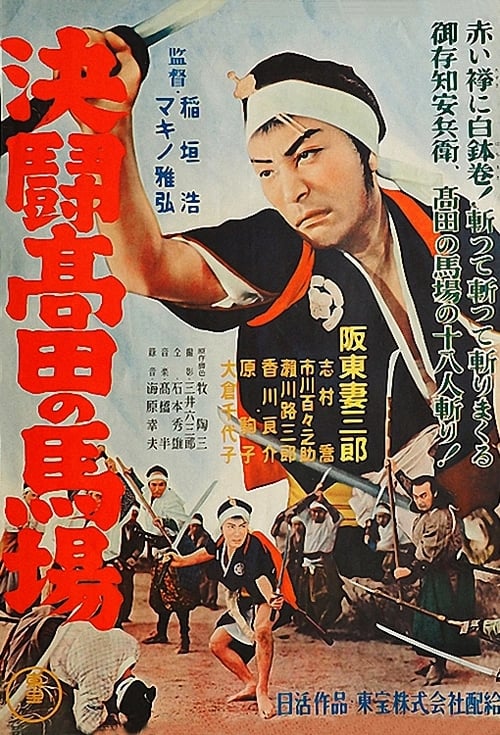
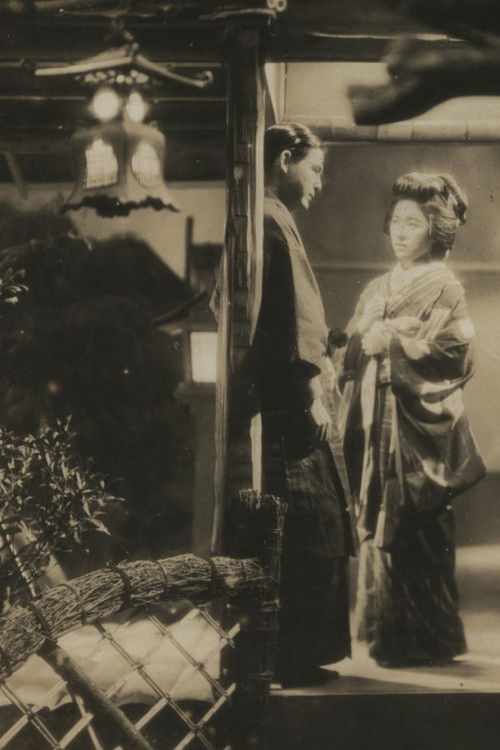
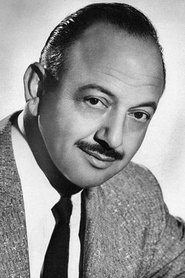
Chiyoko Ôkura was a pivotal figure in the Japanese film industry, whose career spanned several decades, leaving an indelible mark on the cinematic landscape. Known for her compelling performances, she gained acclaim in classics such as "Blood Spilled at Takadanobaba" (1937), a gripping tale that showcases her dramatic range and has become a sought-after title among collectors for its historical significance and rarity. Similarly, "Festival Across the Sea" (1941) highlights Ôkura's ability to navigate complex narratives, solidifying her status as a versatile actress during a transformative era in Japanese cinema.
Collectors are drawn to Ôkura's work not just for her talent but also for the cultural context these films represent. The scarcity of early Japanese cinema on physical media, particularly in well-preserved formats, makes her films coveted items for enthusiasts of film history. As home video formats evolve, Ôkura's performances remain timeless, embodying the artistry of an era that continues to influence filmmakers today.