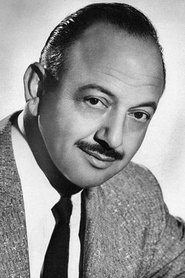
Enshô Jitsukawa was a prominent figure in early Japanese cinema, known for his compelling performances that captivated audiences in the 1920s and 1930s. His standout role in "Botan dôrô" (1930) showcased his extraordinary talent, making it a cornerstone of his filmography. This silent film, revered for its artistic storytelling and visual poetry, has become a highly sought-after item among collectors of vintage cinema. Its significance lies not only in its aesthetic but also in its representation of Japanese culture during a transformative period in film history.
Collectors are particularly drawn to Jitsukawa's work for its rarity and the historical context it provides. His films are often celebrated for their innovative techniques, which played a significant role in shaping the Japanese film industry. As physical media enthusiasts seek to preserve these cinematic treasures, Jitsukawa's performances remain a vital part of the conversation around film preservation, making his titles invaluable to those who appreciate the rich tapestry of cinematic heritage.