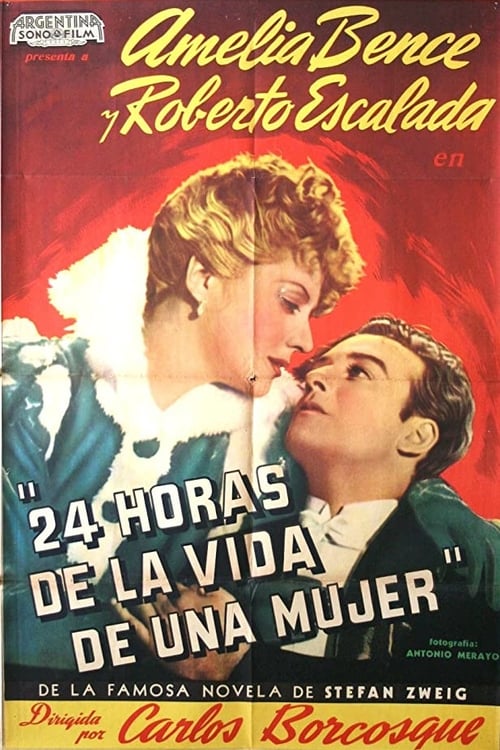
Erwin Wallfisch was a prolific writer whose contributions to cinema spanned several decades, with a notable highlight being his work on "Veinticuatro horas en la vida de una mujer" (1944). This adaptation of Stefan Zweig's novella is revered not only for its compelling narrative but also for its artistic cinematography, making it a prized addition to any film collector's shelf. Wallfisch's ability to translate complex emotions into engaging scripts has earned him a place in film history, particularly among those who appreciate the nuances of classic European cinema.
Collectors are drawn to Wallfisch's work for its historical significance and the way it encapsulates the cinematic artistry of the 1940s. His scripts often reflect the socio-political context of their time, offering a deeper understanding of the films' themes. As physical media enthusiasts seek to preserve the legacy of such influential works, Wallfisch's films remain essential for anyone looking to build a well-rounded collection that celebrates the evolution of storytelling in film.