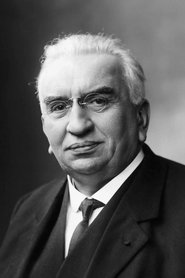
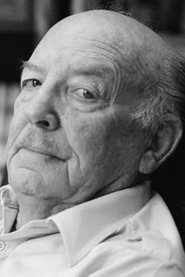
G. Reimann, an influential figure in early cinema, made significant strides in the realms of documentary filmmaking and social commentary. His notable work, "Die Wirkung der Hungerblockade auf die Volksgesundheit" (1921), stands out as a poignant exploration of the public health crisis during wartime, merging compelling visuals with an urgent narrative. This film not only captured the hardships of the era but also set a precedent for future documentary storytelling, making it a prized possession among collectors of historical films.
Reimann's ability to blend artistry with activism resonates deeply with enthusiasts of physical media, particularly those focused on the evolution of film as a medium for social change. Collectors actively seek out his work, especially limited edition releases that showcase the rich history of early 20th-century cinema. As a testament to his lasting impact, Reimann's films continue to be celebrated not just for their content but also for their pioneering role in the documentary genre, solidifying his legacy in the annals of film history.