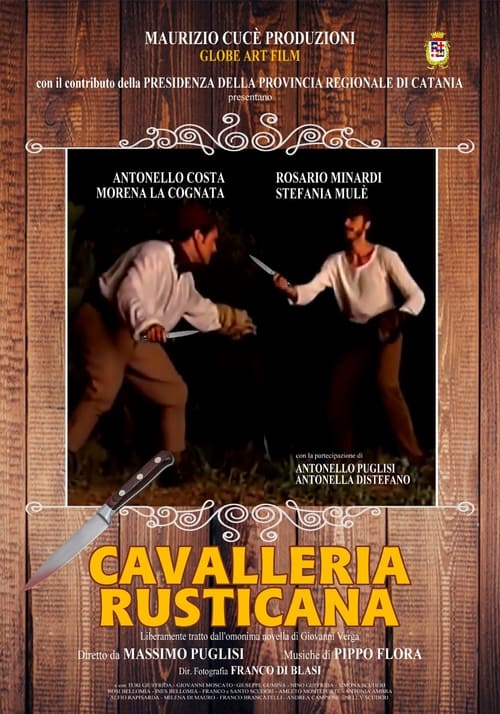
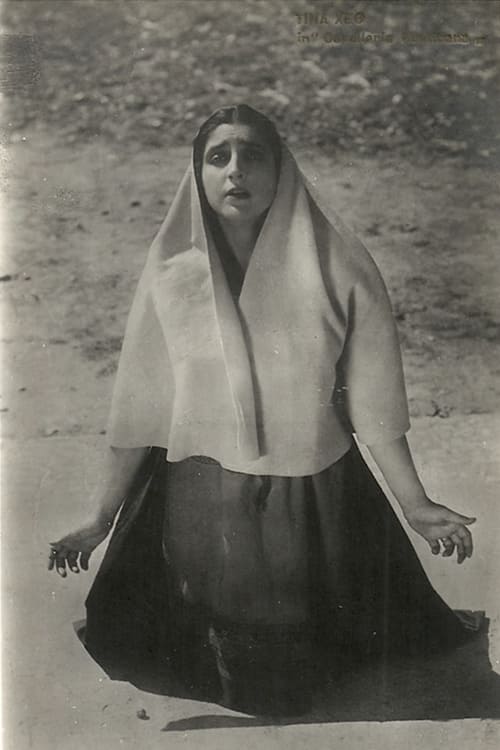
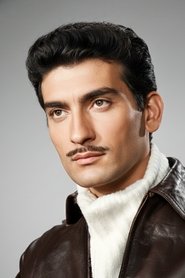
Giovanni Verga, a pivotal figure in Italian literature, has left a lasting imprint on cinematic storytelling, particularly through his iconic work, "Cavalleria Rusticana." This 1884 piece, originally a short story and later adapted into a celebrated opera by Pietro Mascagni, captures the essence of Sicilian life and the complexities of love and honor. The 2002 film adaptation of "Cavalleria Rusticana" revitalized interest in Verga's narrative style, making it a sought-after title for collectors who appreciate the intersection of literature and film.
Collectors value Verga's works not only for their historical significance but also for their rich emotional depth and social commentary. His novels, such as "I Malavoglia" and "Mastro-don Gesualdo," have inspired numerous adaptations, cementing his status as a foundational figure in both literature and cinema. As physical media enthusiasts continue to seek out these adaptations, Verga's influence remains a testament to the enduring power of storytelling across formats.