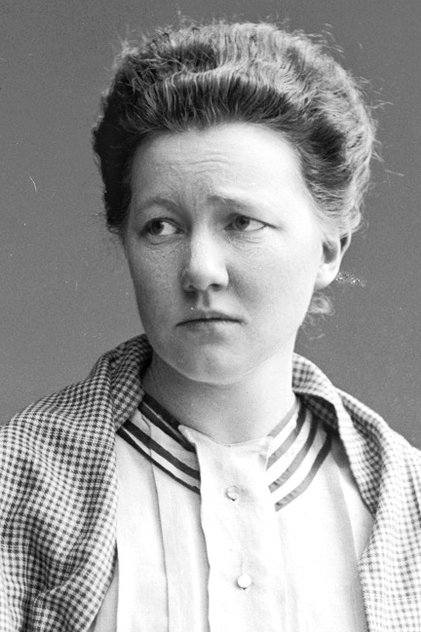
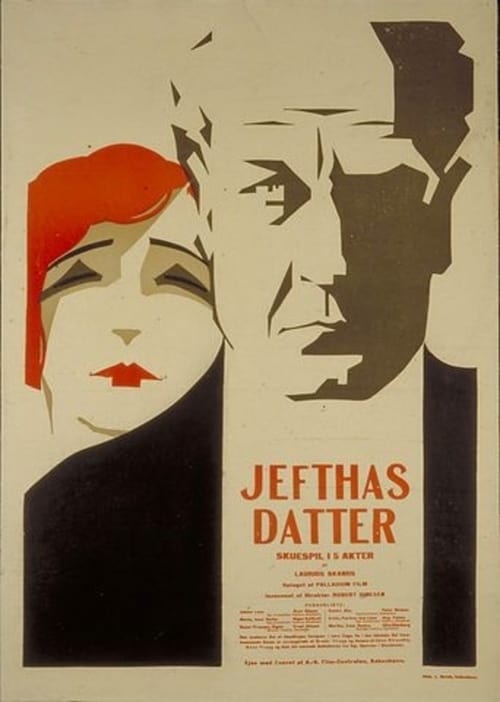
Göta Klintberg was a notable figure in early Swedish cinema, whose performances captivated audiences during the silent film era. Best known for her role in the 1919 classic "Jefthas dotter," Klintberg's talent brought depth to this poignant adaptation of biblical themes, making it a significant piece in Sweden’s cinematic history. Collectors prize this film not only for its artistic merit but also for its rare status, as surviving prints are increasingly scarce, elevating its value in the world of physical media.
Klintberg's contributions to film extend beyond her standout performances; she represents a pivotal moment in Swedish film history, marking the transition towards more complex narratives and character development. Collectors actively seek out her works, particularly because they reflect the evolution of filmmaking techniques and societal themes of the time. As a luminary of her era, Göta Klintberg remains a cherished name for those who appreciate the artistry and legacy of early cinema in their collections.