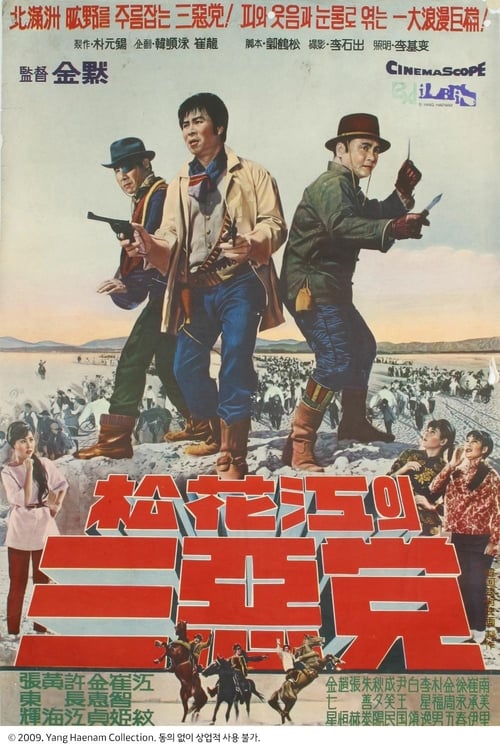
Hak-song Kwak is a notable figure in the realm of South Korean cinema, particularly recognized for his work as a screenwriter and director during a pivotal era in film history. His most acclaimed film, "Three Gangsters of Songhwa River" (1965), stands out not only for its gripping narrative but also for its unique portrayal of post-war Korean society. This film has gained a cult following among collectors, who prize its exploration of moral ambiguity and the gangster genre, making it a sought-after title in both VHS and DVD formats.
Kwak's influence extends beyond this singular work, as he contributed to shaping the landscape of Korean cinema during the 1960s. His films are often celebrated for their stylistic choices and narrative depth, appealing to collectors who appreciate the historical context of physical media. For enthusiasts of home video releases, owning a copy of "Three Gangsters of Songhwa River" is not just about the film itself; it's about preserving a significant piece of cinematic history that reflects the complexities of its time.