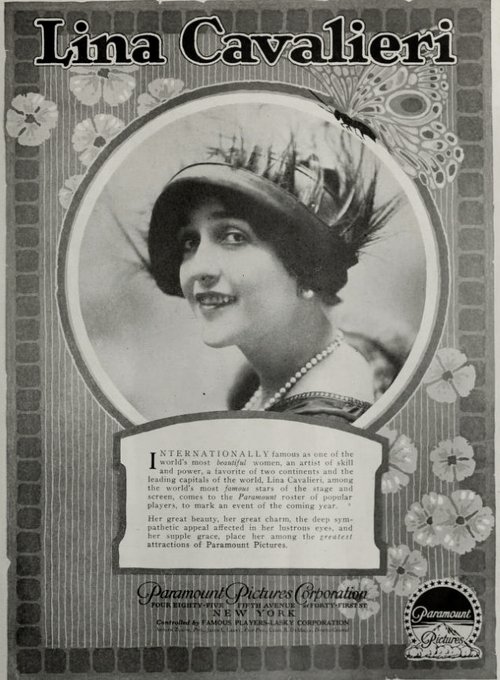
Herbert Hall Winslow was a pivotal figure in early American cinema, best known for his work as a screenwriter on several influential films during the silent era. One of his most notable contributions is the 1914 adaptation of "Manon Lescaut," a film that not only showcased Winslow's knack for translating literary classics to the screen but also captivated audiences with its emotional depth and artistic ambition. This film has become a prized possession among collectors, particularly those who appreciate the historical significance of silent films and their impact on the evolution of storytelling in cinema.
Collectors actively seek out Winslow's work not just for its rarity but also for its role in shaping early film narrative techniques. The scarcity of physical media from this era makes "Manon Lescaut" especially valuable, as its releases on VHS, DVD, and Blu-ray offer a glimpse into the artistic vision of a bygone time. With each format capturing a piece of cinematic history, Winslow's contributions remain a vital part of the conversation about film preservation and the importance of physical media in understanding our cinematic heritage.