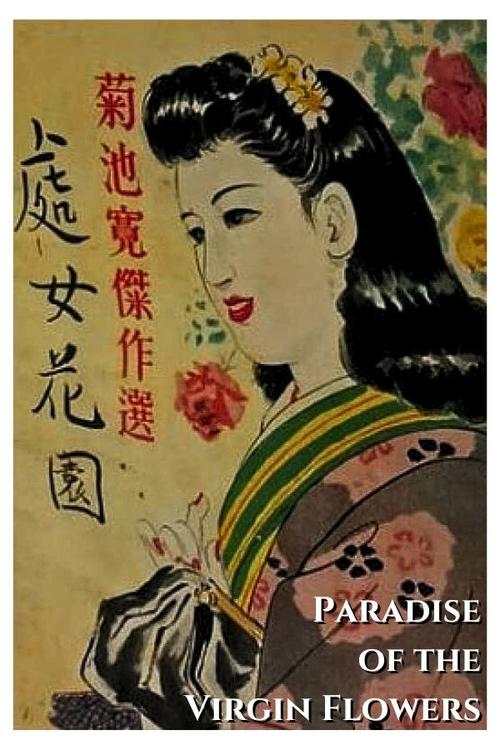
Hideharu Nakano, a prominent figure in Japanese cinema, made significant contributions to the film industry during the 1930s. His standout performance in "Paradise of the Virgin Flowers" (1936) showcased his exceptional acting skills and has since become a coveted title among collectors. This film not only highlights Nakano's talent but also serves as a cultural artifact, capturing the aesthetic and social nuances of pre-war Japan.
Collectors are drawn to Nakano's work not just for his compelling performances, but also for the historical context of his films. "Paradise of the Virgin Flowers" is particularly sought after for its artistic cinematography and its role in shaping the narrative style of Japanese cinema. As physical media enthusiasts seek to preserve this vital piece of film history, Nakano's films remain an essential part of any serious collection, offering insight into a transformative era for both Japanese culture and global cinema.