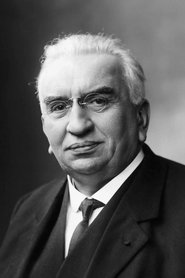
Hirotaka Nagakura, a pioneering figure in early Japanese cinema, made a significant mark on the film landscape with his directorial debut, "To the Hills Again in Spring" (1929). This silent film is a celebrated gem, revered for its stunning cinematography and innovative storytelling techniques that paved the way for future filmmakers. Collectors prize this title not only for its artistic merit but also for its historical significance as one of the earliest examples of Japanese narrative cinema.
Nagakura’s work is sought after by enthusiasts of physical media due to the limited availability of original prints and the film's critical role in the evolution of Japanese storytelling on screen. His films, particularly "To the Hills Again in Spring," are often featured in retrospective collections and special edition releases, making them coveted items for collectors who appreciate both the artistry and the cultural context of early cinema. As the world of home video continues to expand, Nagakura's contributions remain a vital part of any serious collector's catalog.