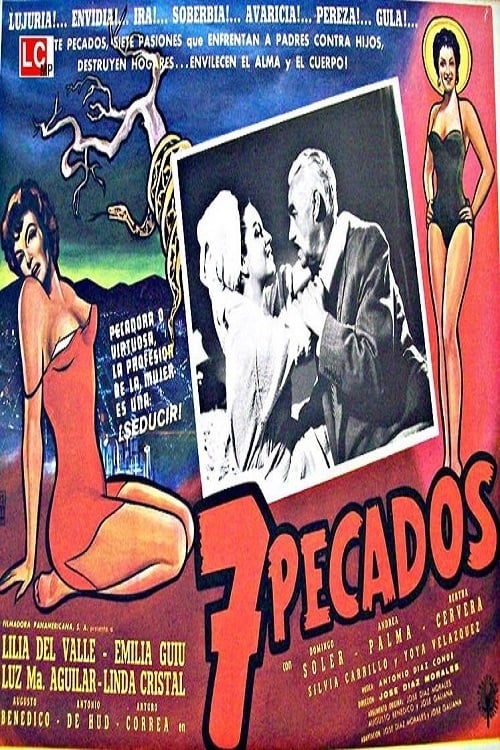
José Luis Galiana is a revered figure in the realm of Spanish cinema, particularly noted for his contributions as a screenwriter during the 1950s and 60s. His most acclaimed work, "La mujer que no tuvo infancia" (1957), stands out not only for its compelling narrative but also for how it encapsulates the complexities of identity and memory. Collectors are drawn to this film due to its critical acclaim and the unique perspective it offers on post-war Spanish society, making it a cornerstone for those interested in the evolution of Spanish film.
Galiana's writing style, characterized by its emotional depth and social commentary, has made his films highly sought after among collectors. His ability to weave intricate stories that resonate with audiences creates a strong demand for physical media releases. As interest in vintage and classic films grows, Galiana's works, particularly "La mujer que no tuvo infancia," are becoming increasingly collectible, with original VHS and early DVD releases fetching impressive prices. His legacy continues to inspire new generations of filmmakers and collectors alike.