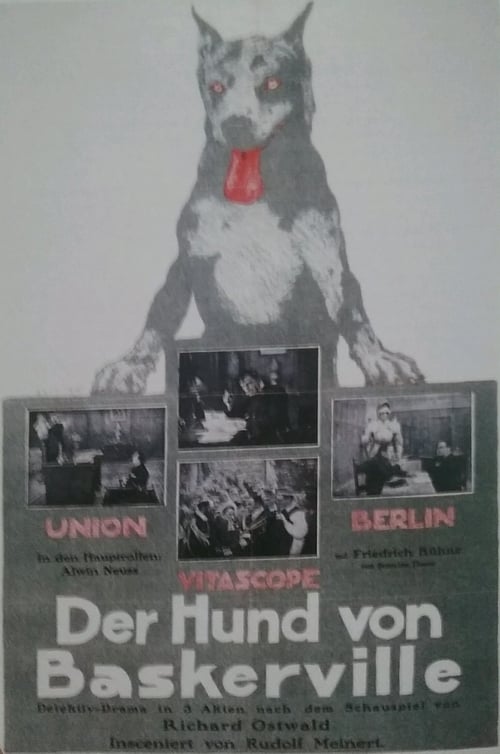
Josef Greenbaum emerged as a notable figure in the early 20th-century film industry, particularly known for his work in production during the silent film era. One of his most significant contributions is the 1914 adaptation of "The Hound of the Baskervilles," a film that has become a coveted item for collectors due to its historical importance and unique interpretation of Arthur Conan Doyle's classic tale. Its innovative techniques and atmospheric storytelling resonate with enthusiasts of both cinema and literature, making it a staple in any serious collection.
Collectors are particularly drawn to Greenbaum's work because it reflects a pivotal transition in filmmaking, capturing the essence of early narrative cinema. The scarcity of well-preserved copies of "The Hound of the Baskervilles" adds to its allure, as does its role in shaping the mystery genre on screen. Greenbaum's ability to create an engaging adaptation has solidified his place in film history, ensuring that his contributions remain relevant and sought after in today's physical media landscape.