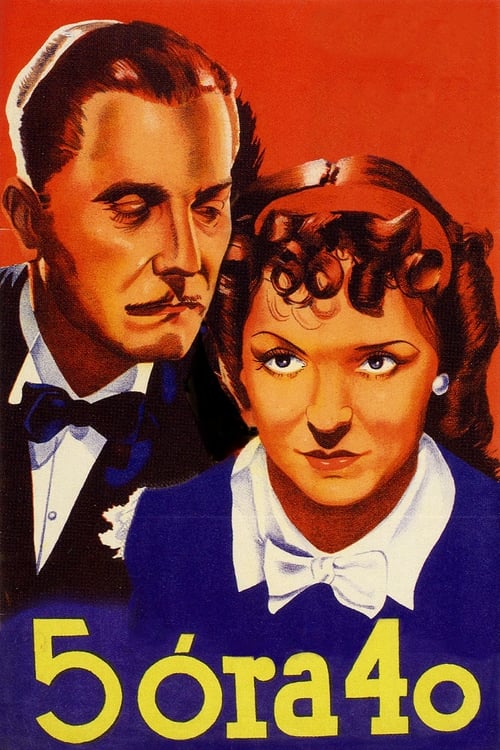
József Babay is a pivotal figure in the realm of mid-20th-century Hungarian cinema, with a legacy that continues to resonate with film collectors today. His most notable work, "Leila and Gábor" (1956), is celebrated not just for its poignant storytelling but also for its artistic significance during a transformative period in Hungarian film history. As collectors scour the market for rare VHS and DVD editions of this influential film, they appreciate its unique blend of emotional depth and cultural commentary, making it a sought-after piece for any serious collection.
Babay’s contributions extend beyond "Leila and Gábor," as his writing captures the essence of post-war Hungary, reflecting both societal changes and cinematic innovation. Collectors are drawn to his work not only for its historical value but also for the craftsmanship that defines his narratives. As physical media enthusiasts continue to explore the nuances of global cinema, Babay’s films remain essential touchstones, inviting viewers to appreciate the richness of Hungary's cinematic landscape.