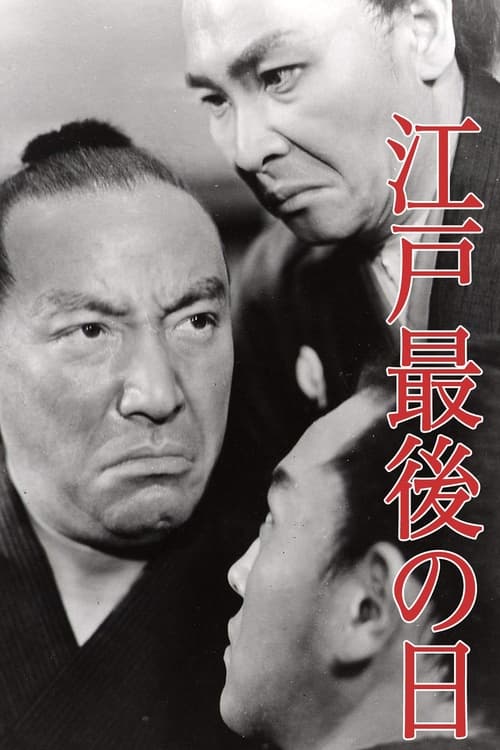
Keisukê Ôshima, a notable figure in Japanese cinema, made his mark with a powerful presence that resonated in films from the early 1940s. One of his standout performances can be found in "Last Days of Edo" (1941), a historical drama that not only showcases his acting prowess but also captures a pivotal moment in Japan's cinematic history. This film is highly sought after by collectors for its artistic significance and rare availability, making it a prized addition to any serious collection.
Ôshima's career spanned several decades, and his work often reflects the cultural shifts within Japan. Collectors value his films for their authenticity and the way they encapsulate the era's storytelling. As interest in classic Japanese cinema continues to grow, Keisukê Ôshima's contributions remain a focal point for enthusiasts who appreciate the depth and nuance of his performances. His films, particularly "Last Days of Edo," are more than just viewing experiences; they are pieces of history that offer insight into a transformative period in filmmaking.