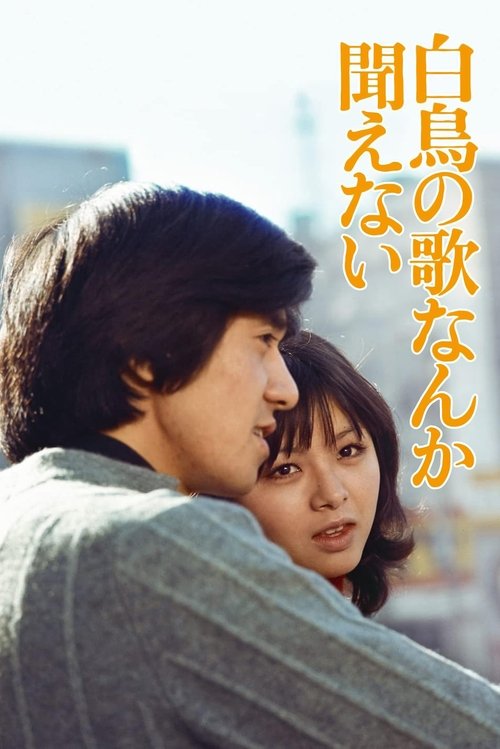
Kunihiko Watanabe is a notable figure in Japanese cinema, particularly recognized for his distinct directorial style that blends poetic storytelling with striking visuals. His film "Hakuchô no uta nanka kikoenai" (1972), often celebrated for its avant-garde approach, explores themes of isolation and existentialism, making it a sought-after title among collectors who appreciate the artistry of Japanese New Wave cinema. This film not only showcases Watanabe's unique vision but also represents a pivotal moment in 1970s Japanese film history, capturing the spirit of an era marked by experimentation and cultural shifts.
Another highlight of Watanabe's career is "Akan ni hatsu" (1975), which further solidified his reputation as a director unafraid to tackle complex themes. Its rich narrative and innovative cinematography have led to this title becoming a prized possession for home video enthusiasts. Collectors are drawn to Watanabe's work not only for its aesthetic qualities but also for the cultural significance it holds, making his films essential entries in any serious physical media collection.