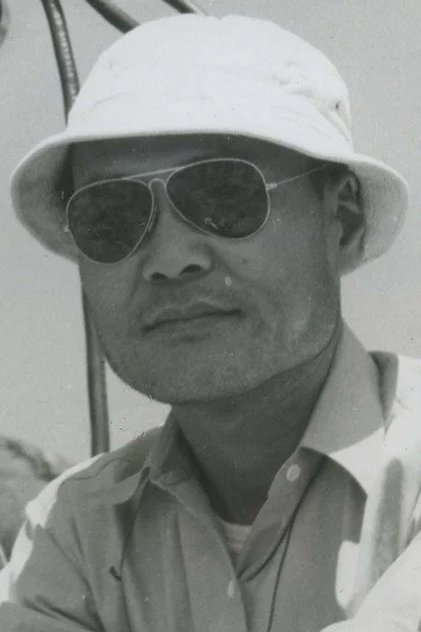
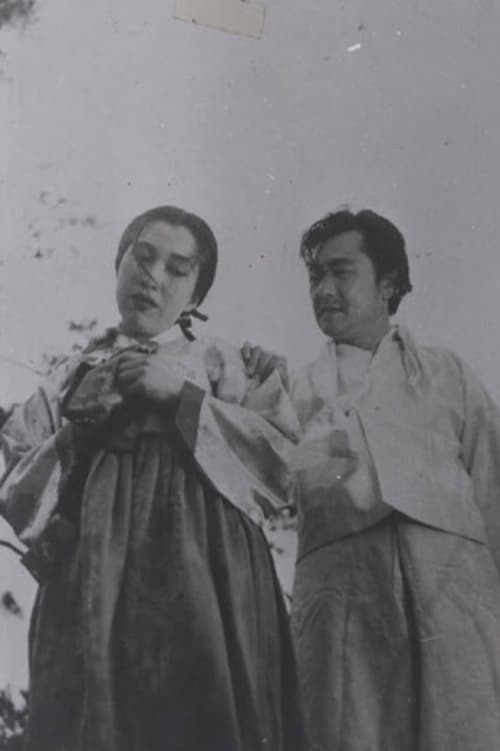
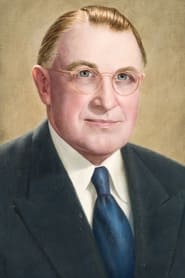
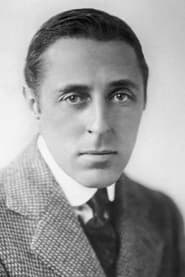
Lee Kang-cheon, a pivotal figure in South Korean cinema, is best known for his 1957 film "Love," which remains a touchstone for collectors of vintage Asian cinema. This romantic drama, notable for its nuanced storytelling and rich cinematography, played a crucial role in shaping the narrative styles of Korean film during a period of significant cultural transformation. Collectors seek out "Love" not only for its artistic merit but also for its historical significance, marking a time when Korean cinema began to gain international attention.
Lee's influence extended beyond this seminal work, as he helped lay the groundwork for future generations of filmmakers. His ability to blend traditional themes with contemporary issues resonates with collectors who appreciate films that reflect societal change. Although Lee's oeuvre is not as extensively documented as some of his contemporaries, the scarcity of physical media releases for his films, particularly "Love," makes them highly sought after by enthusiasts eager to preserve the legacy of Korean cinema's formative years.