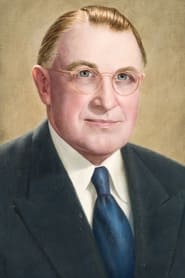
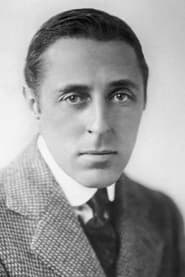
Leopold Niernberger was a pioneering figure in the early days of cinema, known for his innovative directorial style and compelling storytelling. His most notable work, "Die Tuberkulose" (1923), is regarded as a significant piece of silent film history, tackling themes of illness and societal issues with a poignant narrative. Collectors treasure this film not only for its artistic merit but also for its scarcity; original prints are rare, making it a prized possession among enthusiasts of early 20th-century cinema.
Niernberger's influence extended beyond "Die Tuberkulose," as he was known for his meticulous attention to detail and unique visual compositions that have inspired generations of filmmakers. His films often reflect a blend of social commentary and aesthetic innovation, which resonate with collectors seeking to understand the evolution of film as an art form. With the resurgence of interest in silent films, Niernberger’s works are not only valuable for their historical significance but also for their ongoing relevance in discussions about cinema today.