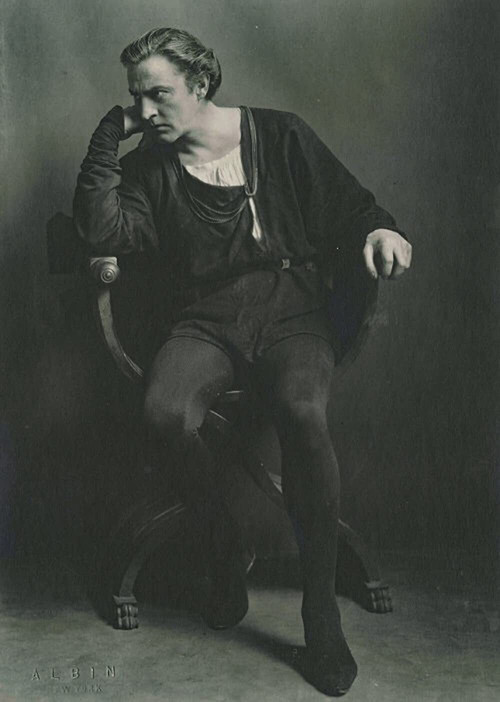
Margaret Carrington was a pioneering director whose work in early cinema left an indelible mark on the art of storytelling. Her most notable achievement, "Hamlet, Act I: Scenes IV and V" (1933), showcases her ability to blend theatrical depth with cinematic innovation. This adaptation not only brought Shakespeare's iconic play to life for a new audience but also set a benchmark for future interpretations in film.
Collectors seek out Carrington's work for its historical significance and rarity, particularly the limited VHS and DVD releases that highlight her unique directorial style. The film remains a coveted item for those passionate about classic adaptations and the evolution of film direction. As home video releases continue to rise in value, Carrington's contributions are increasingly recognized, making her a staple in the collections of film historians and enthusiasts alike. Her legacy endures as a testament to the importance of women in early filmmaking, inspiring new generations of directors and collectors.