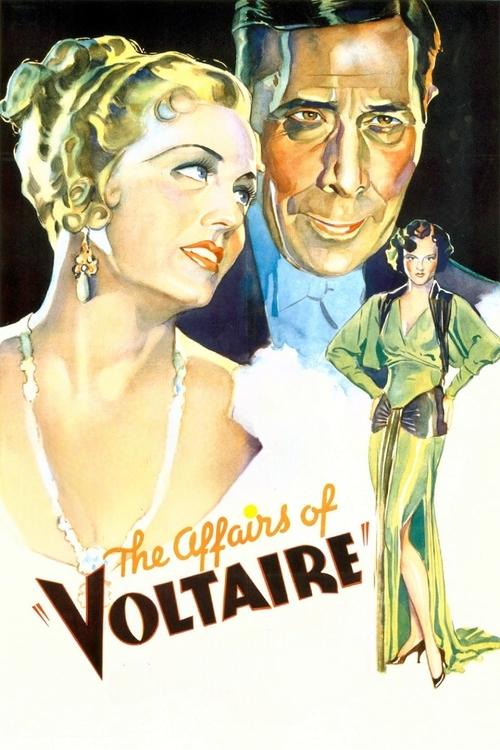
Maude T. Howell was a pivotal figure in the world of film writing, particularly known for her work during the early 20th century. One of her most significant contributions to cinema is the 1933 film "Voltaire," which not only showcases her sharp wit and narrative prowess but also serves as a testament to the intellectual curiosity of its time. Collectors prize this title for its unique blend of historical context and cinematic artistry, making it a sought-after piece for anyone interested in the evolution of biographical storytelling in film.
Howell's meticulous attention to detail and her ability to craft compelling narratives set her apart in a burgeoning industry. As physical media enthusiasts delve into the history of home video releases, "Voltaire" stands out not just for its content but also for the way it reflects the cinematic styles of the 1930s. Collectors often seek out Howell’s work not only for its artistic merit but also for its historical significance, marking her as a key figure in the preservation of early film history.