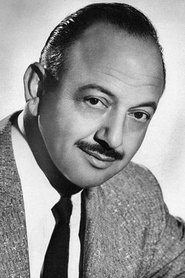
Max Mothes was a prominent figure in early German cinema, leaving an indelible mark through his compelling performances in silent films. His work in "Aus den Erinnerungen eines Frauenarztes - 1. Fliehende Schatten" and its sequel "Aus den Erinnerungen eines Frauenarztes - 2. Lüge und Wahrheit," both released in 1922, showcases his ability to convey deep emotional narratives without dialogue, a testament to the era’s unique storytelling methods.
Collectors of physical media particularly seek out these films not only for their artistic significance but also for their historical context within the Weimar Republic's film movement. Mothes' performances bring a rich layer of authenticity to these works, making them essential viewing for anyone interested in the evolution of cinematic expression. As home video releases of these rare silent films become increasingly scarce, Mothes' contributions are celebrated by enthusiasts eager to preserve this pivotal chapter in film history.