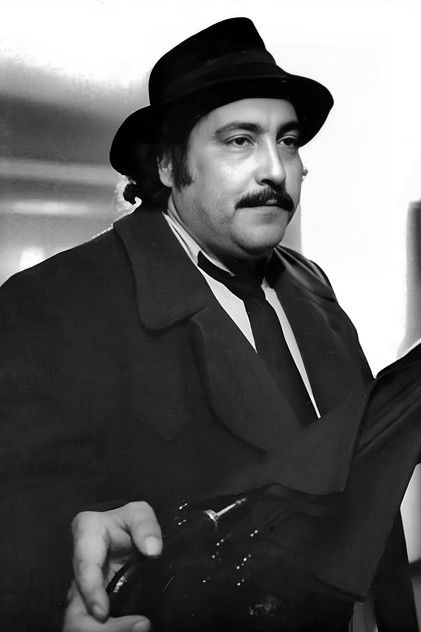
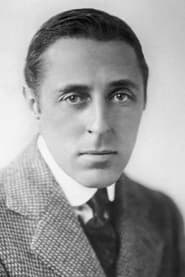
Mohamed Bouamari, an influential figure in Algerian cinema, carved a niche for himself as a self-taught director known for his poignant storytelling and commitment to social issues. His breakthrough came with the 1972 film "Le Charbonnier," which earned accolades at international festivals, including Cannes' La Semaine de la Critique. Collectors prize this film for its historical significance and as a representation of Algeria’s post-colonial cinema, showcasing the agrarian revolution’s impact on society.
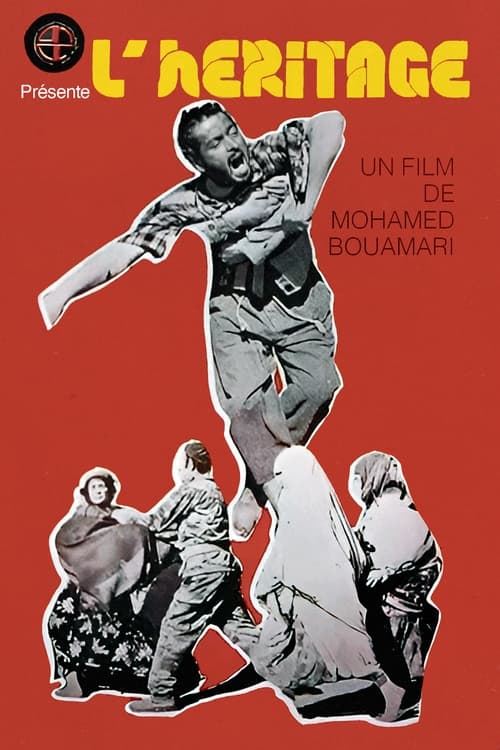
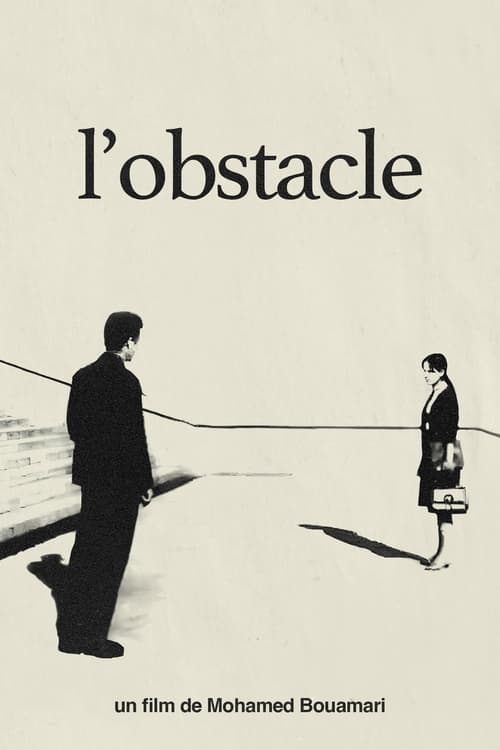
Bouamari's filmography continued to explore themes of independence and social justice, with notable works like "L'Héritage" (1974) and "Refus" (1982). His films often feature his wife, Fettouma Ousliha, as a symbol of women's struggles in Algeria. The rarity of his works, particularly "Cinématon XIII" (1981), makes them highly sought after in the physical media community, as they provide a unique lens into revolutionary aesthetics and the complexities of Algerian identity. Despite his passing in 2006, Bouamari’s legacy endures, making his films essential for any serious collector.