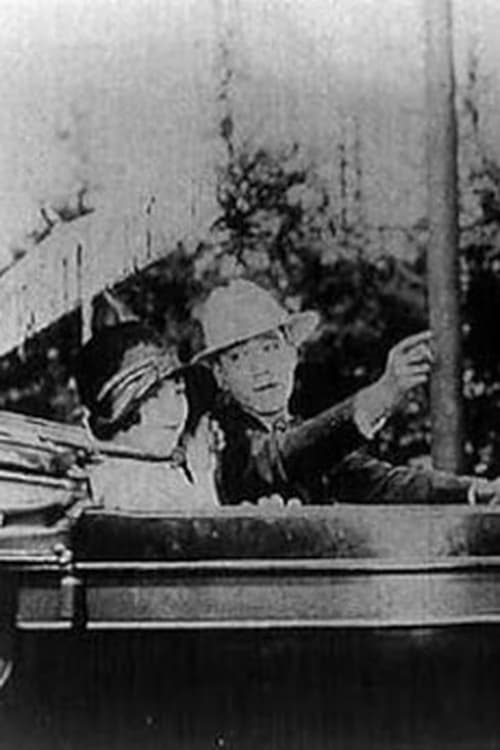
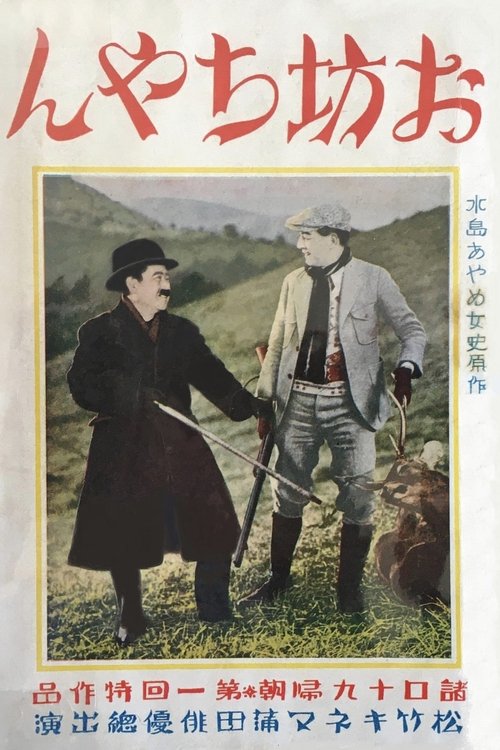
Momosuke Yoshida was a pioneering figure in the early days of Japanese cinema, with a career that spanned the silent film era and beyond. His 1928 film, "Wife Lost," remains a cornerstone of Japanese film history, drawing interest from collectors for its exploration of complex themes and innovative storytelling techniques. This film, along with others from his oeuvre, showcases Yoshida's ability to blend compelling narratives with visual artistry, making his work essential for any serious collector of international cinema.
Collectors particularly seek out Yoshida's films due to their rarity and significance in the evolution of Japanese filmmaking. "Wife Lost" is often highlighted for its emotional depth and cultural insights, representing a time when Japanese cinema was beginning to gain recognition on the global stage. As physical media enthusiasts look to preserve the artistry of early films, Yoshida’s contributions are celebrated for their historical value and influence on future generations of filmmakers.