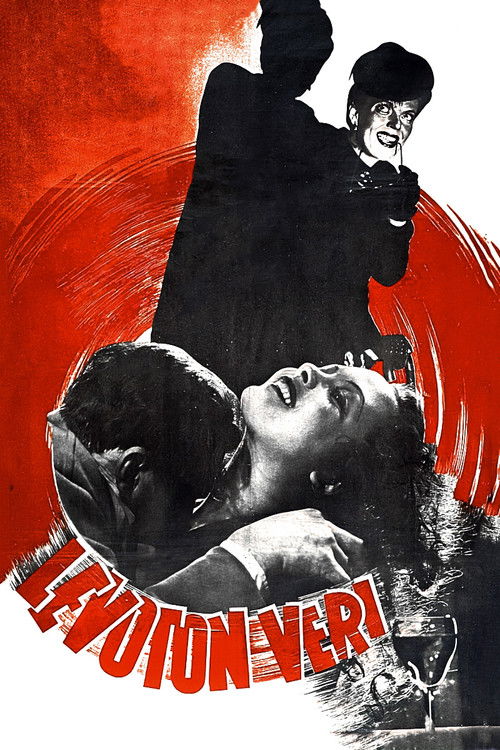
Nisse Hirn, a pivotal figure in Finnish cinema, is best known for his 1946 classic "Levoton veri," which has become a sought-after title among collectors of vintage films. This gripping drama, exploring themes of passion and betrayal, not only showcased Hirn's talent for storytelling but also contributed significantly to the post-war Finnish film landscape. Collectors prize the film for its historical significance and the unique portrayal of societal issues of the time, often seeking out rare VHS and DVD editions to complete their collections.
Hirn's impact extends beyond "Levoton veri," with a body of work that reflects a deep understanding of film as a medium for cultural expression. His attention to detail and innovative narrative techniques have earned him a permanent spot in the annals of film history, making his works essential for collectors who appreciate the evolution of cinema. As home video formats continue to evolve, Hirn's films remain a testament to the rich storytelling traditions of Finnish cinema, appealing to those who value both artistry and historical context in their collections.