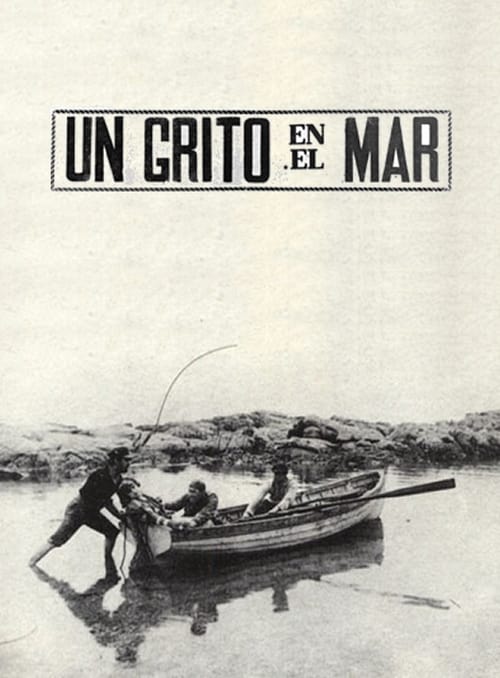
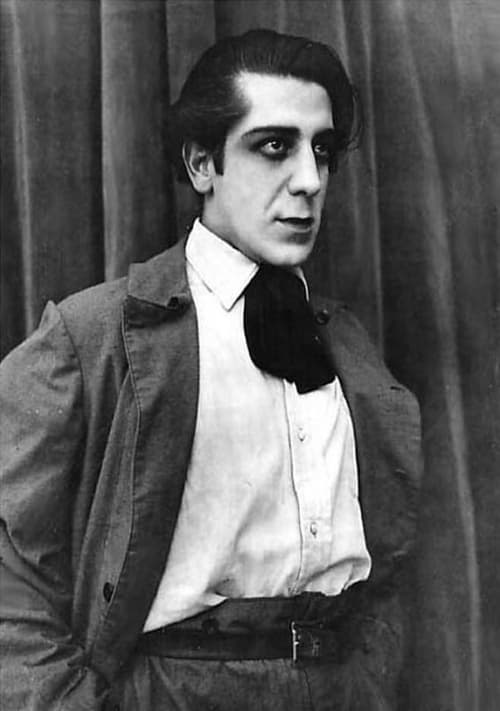
Pedro Sienna, a pioneering figure in Chilean cinema, made significant contributions as a director, actor, and writer during the early days of silent film. His notable works, such as "El Hombre de Acero" (1917) and "Los Payasos se van" (1921), are treasured by collectors for their historical importance and artistic innovation. "El Hombre de Acero" marked Sienna's directorial debut, showcasing his unique vision, while "Los Payasos se van" demonstrated his ability to blend humor and social commentary, making both films essential pieces of Chilean film heritage.
Collecting Sienna's films offers enthusiasts a glimpse into the roots of Chilean cinema, particularly with his later classic "El Húsar de la muerte" (1925), which is often celebrated for its narrative depth and cinematic technique. As a recipient of the Premio Nacional de Arte de Chile, Sienna's legacy continues to captivate collectors who seek to preserve the evolution of film in Latin America. His works are not just films; they are artifacts that represent a transformative era in the art of storytelling on screen.