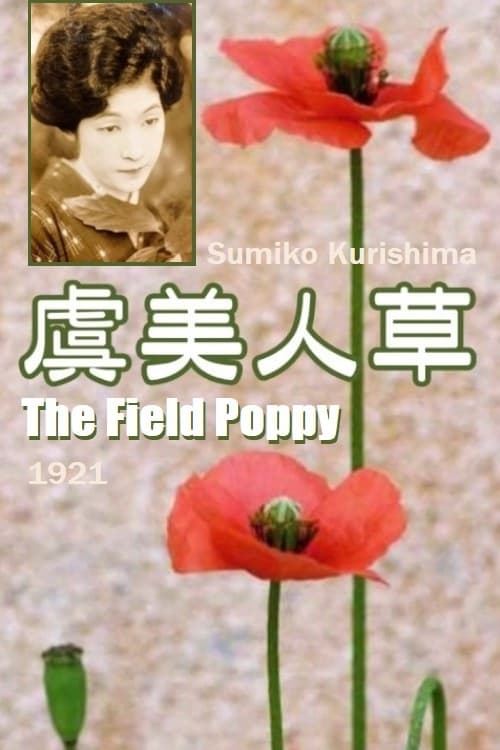
Reizo Inoue was a pivotal figure in early Japanese cinema, known for his compelling performances in silent films that continue to captivate collectors today. His work in "An Electrician and His Wife" (1921) showcases his ability to convey deep emotion without dialogue, making it a prized addition to any collection focused on the evolution of acting in film. Similarly, his role in "Gubijinsô" (1921) further solidified his status, as the film is often hailed for its artistic merit and cultural significance, appealing to collectors who appreciate the historical context of Japanese cinema.
Collectors seek out Inoue's films not only for their rarity but also for their representation of an era where silent storytelling was at its peak. The artistry and craftsmanship of these early works reflect the foundations of modern filmmaking, making them essential for anyone serious about understanding the medium's history. With the resurgence of interest in vintage film formats, Inoue's contributions have become increasingly sought after, ensuring his legacy endures among passionate physical media enthusiasts.