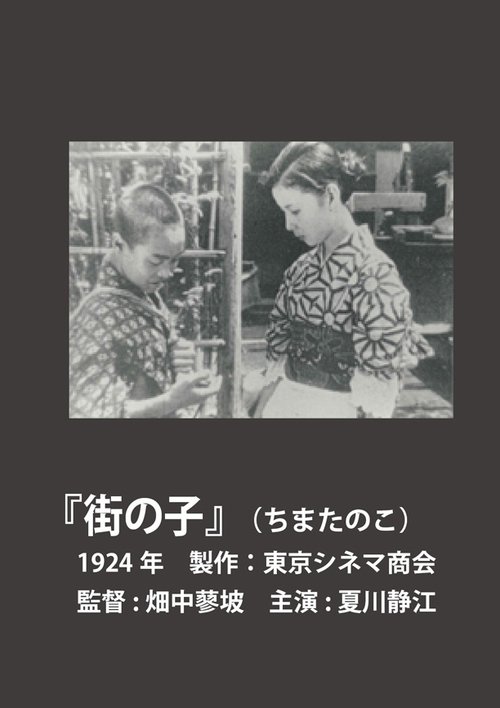
Ryōha Hatanaka was a pioneering figure in Japanese cinema, best known for his evocative storytelling and distinctive visual style. His 1924 silent film "Child of the Streets" remains a significant work in film history, often celebrated for its poignant exploration of social issues and the struggles of youth. Collectors seek out this title not only for its artistic merit but also for its historical context as a reflection of Japan's societal challenges during the Taisho era.
As a director, Hatanaka's ability to blend narrative depth with compelling visuals has made his films highly sought after in the physical media community. The scarcity of early Japanese cinema on physical formats adds to the allure of his work, particularly among those who appreciate the rich tapestry of film history. Collectors often prioritize original prints and rare releases of Hatanaka’s films, making them prized additions to any serious collection. His contributions to the art of filmmaking continue to resonate, solidifying his legacy in the annals of cinematic history.