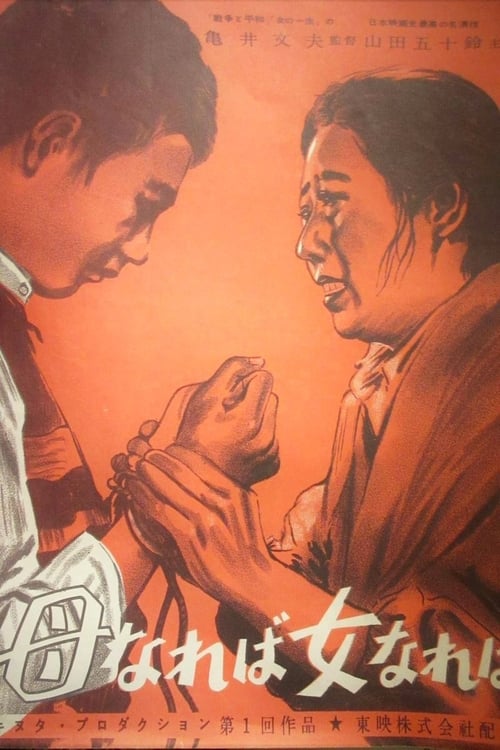
Ryōko Komatsubara emerged as a prominent figure in Japanese cinema during the early 1950s, captivating audiences with her nuanced performances in films such as "Become a Mother, Become a Woman" (1952). This landmark drama not only showcased her exceptional range but also reflected the societal changes of post-war Japan, making it a significant cultural artifact. For collectors, this film stands out not only for Komatsubara's compelling portrayal but also for its poignant exploration of womanhood that resonates with contemporary audiences.
As collectors seek to enrich their collections with authentic representations of Japanese film history, Komatsubara's work is increasingly sought after. Her films are appreciated for both their artistic merit and historical context, with "Become a Mother, Become a Woman" often highlighted as a must-have item for anyone dedicated to the evolution of Japanese cinema. As interest in vintage and classic films continues to grow, Komatsubara's contributions remain vital to understanding the rich tapestry of mid-20th century film narratives.