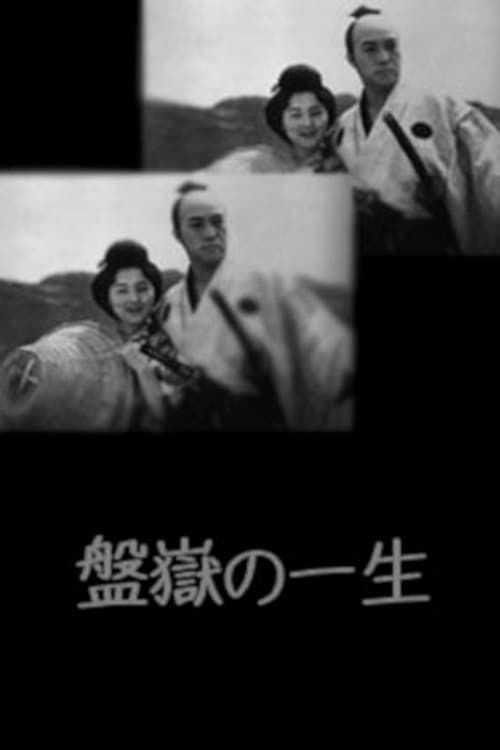
Shin Shibata was a pivotal figure in early Japanese cinema, making significant contributions to the production landscape of the 1930s. His most notable work, "Bangaku no issho" (1933), is especially revered among collectors for its innovative storytelling and visual style, marking a transition in Japanese film from silent cinema to sound. This film not only showcases Shibata’s keen sense of narrative but also reflects the cultural shifts of its time, making it a prized addition to any serious collector’s library.
Collectors seek out Shibata's films not just for their artistic value but also for their rarity, as many of his works were produced during a tumultuous period in Japan’s cinematic history. The limited releases of "Bangaku no issho" on home media formats have turned it into a sought-after gem, often fetching high prices on the secondary market. Enthusiasts appreciate Shibata’s ability to weave historical context into his narratives, ensuring that his films remain relevant and cherished in the world of physical media.