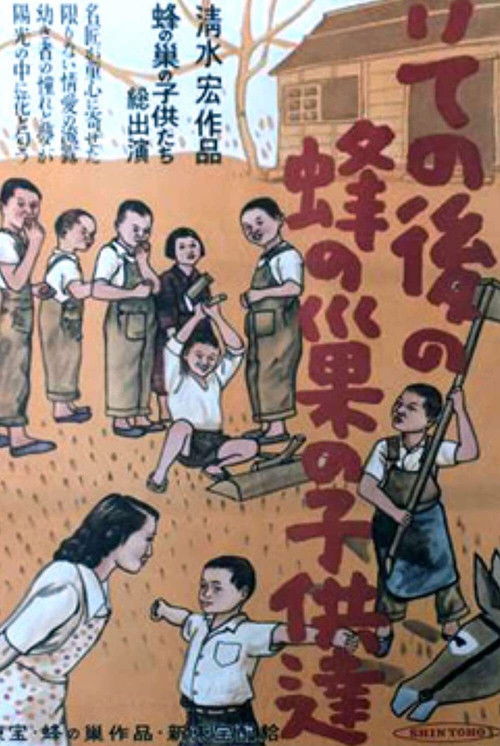
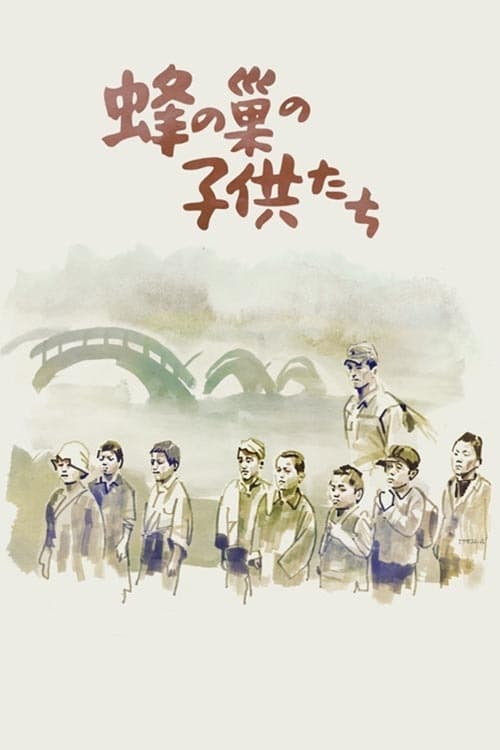
Shinichiro Kubota made a significant mark in the world of Japanese cinema, particularly with his work in the late 1940s and early 1950s. His performances in films like *Children of the Beehive* (1948) and its sequel, *Children of the Beehive: What Happened Next* (1951), showcased his ability to convey deep emotional resonance, making them essential viewing for collectors. These films not only highlight the post-war era in Japan but also reflect the societal changes that influenced the narratives of the time.
Kubota's role in *Children of the Great Buddha* (1952) further solidified his status as a versatile actor, and its unique blend of spirituality and social commentary makes it a sought-after title among collectors. The combination of Kubota's talent and the rich historical context of these films ensures that they remain prized possessions for enthusiasts of physical media. Collectors appreciate these titles not just for their cinematic value but also for their cultural significance, making Kubota's work an essential part of any serious collection.