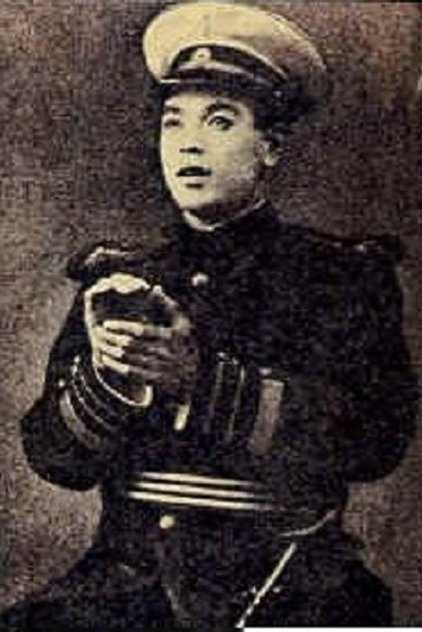
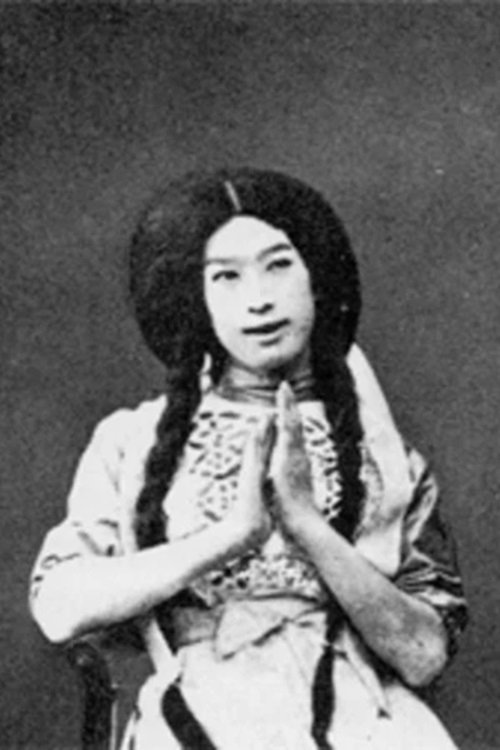
Teijirô Tachibana was a pioneering figure in early Japanese cinema, best known for his captivating performance in the 1918 silent film "The Living Corpse." This adaptation of Leo Tolstoy's novella showcased Tachibana's ability to convey deep emotion without the aid of sound, making it a significant piece in the history of Japanese film. Collectors prize this film for its historical importance and rarity, as it exemplifies the transition of Japanese cinema during the silent era.
As a prominent actor of his time, Tachibana's work is sought after by enthusiasts of vintage cinema and those interested in the evolution of film in Japan. The scarcity of original prints and the cultural significance of his performances make his films, especially "The Living Corpse," highly collectible. For fans of classic cinema and physical media, owning a piece of Tachibana's legacy represents not just a film, but a glimpse into the rich tapestry of early 20th-century filmmaking.