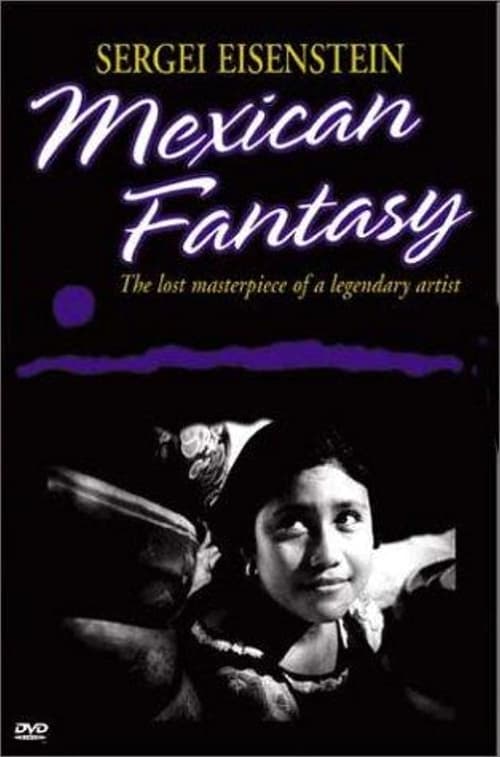
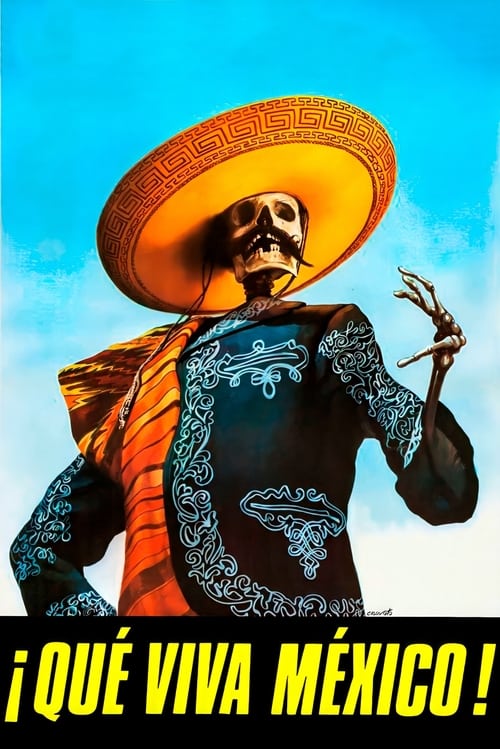
Upton Sinclair, a prolific American author, made significant contributions to literature and social reform, leaving a lasting impact on film history through adaptations of his works. His most notable title, "The Jungle" (1906), sparked national outrage about the meatpacking industry, making it a cornerstone for filmmakers aiming to capture the essence of early 20th-century America. Collectors often seek out versions of this classic, particularly the 1998 documentary “Sergei Eisenstein: Mexican Fantasy,” which creatively ties Sinclair's influence to cinematic storytelling, showcasing the intersection of literature and film.
Sinclair's explorations of labor and industry, as seen in "Oil!" (1927) and "King Coal" (1917), resonate with audiences and collectors alike for their historical significance and social commentary. His works not only reflect the struggles of the working class but also highlight the ethical dilemmas of capitalism, making them sought-after pieces in physical media collections. With nearly 100 published works, Sinclair's narratives continue to inspire filmmakers and historians, ensuring his legacy remains relevant in the realm of home video releases.