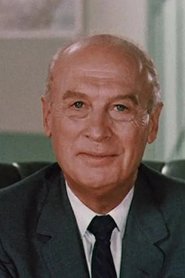
Václav Pštros stands as a notable figure in early Czech cinema, particularly recognized for his work in production during the silent film era. His films, especially "Tchán Kondelík a zeť Vejvara" (1929) and "Otec Kondelík a ženich Vejvara II." (1927), are cherished by collectors for their cultural significance and historical context. These films not only showcase the comedic brilliance of their time but also reflect the evolving narrative style of Czech filmmaking.
Collectors seek out Pštros's work not only for its nostalgic value but also for its rarity. The unique blend of humor and social commentary in his films makes them a treasure trove for those interested in the development of cinema in Central Europe. As physical media enthusiasts continue to explore the roots of film history, Pštros's contributions remain pivotal, highlighting the artistry and innovation that defined an era long before the advent of modern technology.