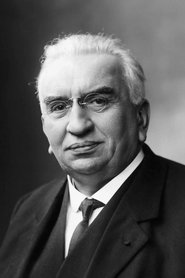
Yeong-hwa Kim was a pivotal figure in Korean cinema, whose directorial prowess left an indelible mark on the film industry during the early 20th century. His 1941 film, *A Wife's Moral*, is particularly notable for its exploration of societal expectations and personal sacrifice, making it a significant piece in the canon of Korean drama. This film, along with *Look Up at the Blue Sky* (1943), showcases Kim's ability to weave complex narratives that resonate with audiences, earning him a place in the hearts of collectors.
Physical media enthusiasts seek out Kim's works not only for their historical significance but also for their aesthetic and narrative depth. The rarity of early Korean films in physical formats makes these titles highly collectible, with special editions often featuring restored prints or additional commentary that enrich the viewing experience. As a director who navigated the turbulent landscape of cinema during Japanese occupation, Kim’s films serve as both artistic achievements and important cultural artifacts, solidifying his legacy in the realm of physical media collecting.