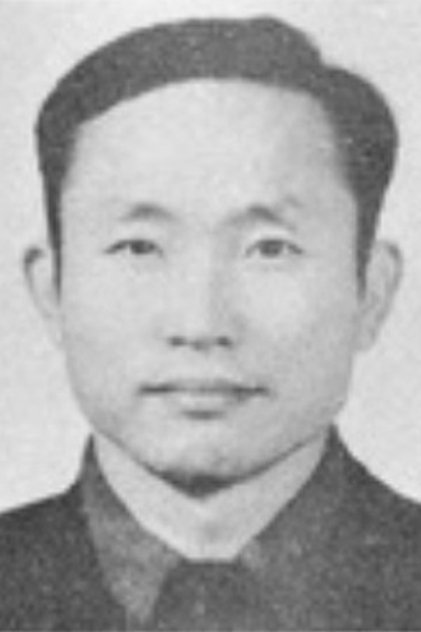
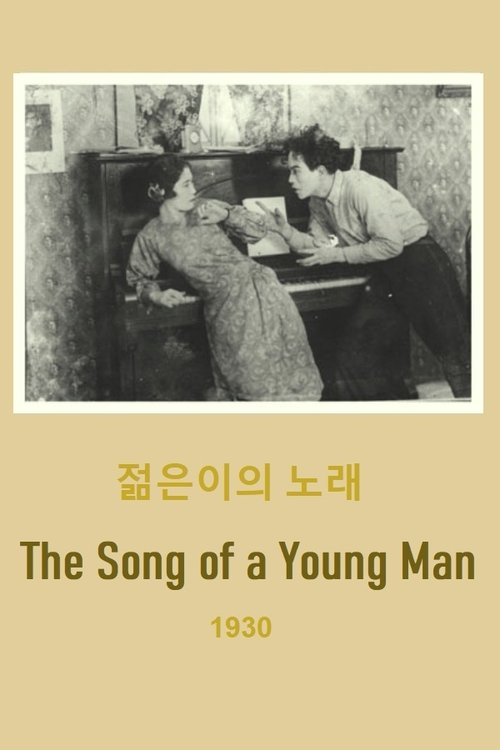
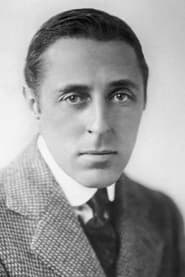
Yeong-hwan Kim, a pioneering figure in early Korean cinema, made significant strides in the film industry during the late 1920s. His most notable work, "Three Beggars" (1928), is a silent film that combines compelling storytelling with innovative visual techniques, making it a prized possession for collectors of vintage cinema. The film's exploration of social themes and its artistic merit have led to its preservation and restoration, further increasing its desirability among enthusiasts of film history.
Kim's contributions to the art of filmmaking extend beyond "Three Beggars." His unique approach to narrative and character development has influenced a generation of filmmakers, cementing his legacy within the realm of Asian cinema. Collectors seeking to understand the evolution of film in Korea will find Kim's works indispensable, as they provide valuable context to the country's cinematic heritage. The allure of owning a piece of Kim's filmography is not just about the rarity of the physical media but also the rich history and artistic exploration that each title represents.