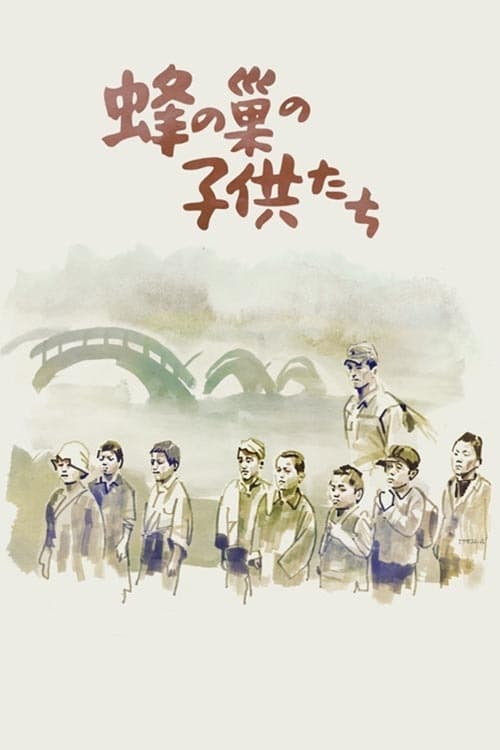
Yotaka Iwamoto was a prominent figure in Japanese cinema during the late 1940s and early 1950s, best known for his compelling performances in the "Children of the" trilogy. His role in "Children of the Beehive" (1948) is particularly celebrated, as it captures the innocence and struggles of post-war youth, making it a must-have for collectors of vintage Japanese films. The film's emotional depth and social commentary resonate strongly with audiences, solidifying Iwamoto’s status in film history.
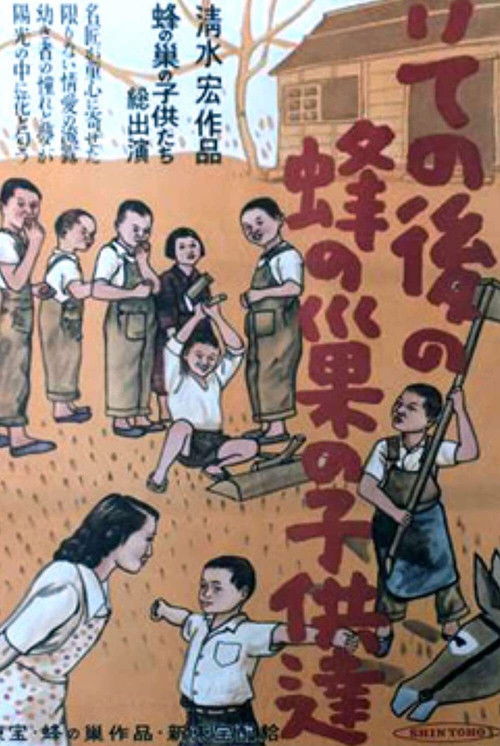
Following up with "Children of the Beehive: What Happened Next" (1951) and "Children of the Great Buddha" (1952), Iwamoto continued to explore themes of childhood and societal challenges. These films, often sought after on physical media for their historical significance and artistic merit, showcase Iwamoto's range and dedication to his craft. Collectors gravitate towards these titles not only for their cinematic value but also for the nostalgia and cultural context they embody, making Yotaka Iwamoto's work an essential part of any serious collection.