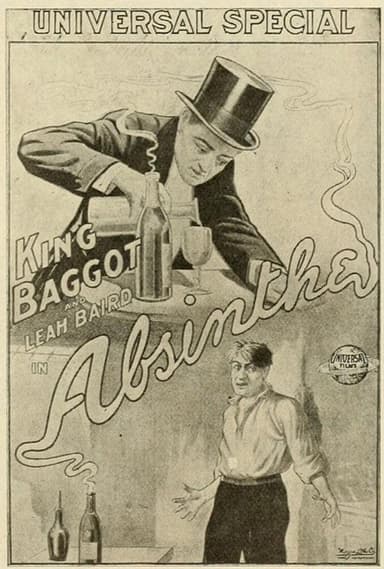
Absinthe
Amazon and eBay links may be affiliate links.
About This Movie
Absinthe (1914) offers a haunting glimpse into the life of a Parisian artist ensnared by his obsession with the titular liquor. The film's atmosphere is thick with a sense of decay, and it captures the bohemian spirit of the time, albeit through a darker lens. The pacing is deliberate, allowing the viewer to feel the weight of the artist's descent into criminality—robbery and murder are not just plot points, but manifestations of his inner turmoil. There's something raw about the practical effects used to depict his intoxication, and the performance, whatever the director's intent, carries a palpable desperation that lingers long after the credits roll. It's a film that reflects the era's struggles with addiction and morality, and it feels more relevant now than ever.
Absinthe is a fascinating entry in early cinema, often overshadowed yet intriguing due to its themes of addiction and crime. As it's quite rare, collectors often seek out this film for its unique portrayal of the artist's struggle and the era's societal issues. While restoration efforts have been minimal, any surviving prints are of particular interest for those delving into the darker aspects of silent film history.
Market data
Where to stream Absinthe
Streaming data powered by JustWatch
Collector reviews
Have you seen this?
Rate it and share your take with other collectors.
Discover