Happy Days
Amazon and eBay links may be affiliate links.
About This Movie
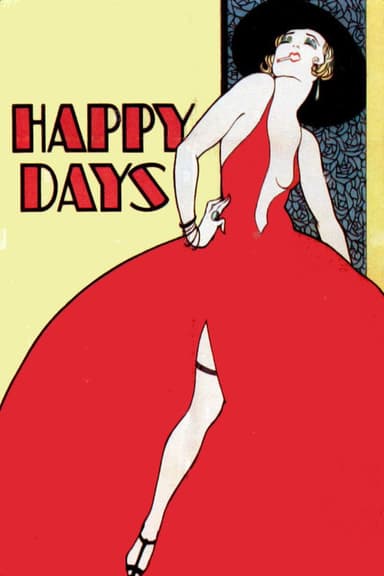
So, 'Happy Days' is kind of a curiosity in the realm of early musicals. It’s part of that all-star revue trend that hit the talkies, which gives it this eclectic, almost haphazard charm. The pacing has that classic, leisurely rhythm of silent films transitioning into talkies, and you can really feel the growing pains of synchronized sound. Margie's journey to New York seems straightforward but carries this weight of nostalgia and urgency. The performances are varied—some hit the mark, while others, well, you can sense they’re still warming to the new medium. Not to mention, the practical effects and stage setups are a fascinating glimpse into how they tackled production back then. It's not a polished gem, but there’s something about it that keeps you engaged.
This film embodies an interesting moment in cinema history, transitioning from silent to sound. Early prints can be quite scarce, making them valuable for collectors keen on the evolution of musicals. The interest in 'Happy Days' often comes from its all-star revue nature and its place within the broader context of the 1920s musical landscape. Finding a good copy can be a challenge, but it’s certainly a conversation starter among collectors focused on the transitional period of film.
Market data
Where to stream Happy Days
Streaming data powered by JustWatch
Collector reviews
Have you seen this?
Rate it and share your take with other collectors.
Discover