Amazon and eBay links may be affiliate links.
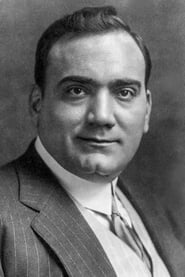
So, Lucia di Lammermoor from 1911 is a fascinating piece in the realm of early cinema, especially for opera aficionados. It captures a moment where operatic performances start to transition into the film medium. The use of the Edison sound-on-disc process, known as Cinephonograph, gives it a raw yet intriguing sound quality that immerses you in the atmosphere of the opera house. Enrico Caruso’s tenor and Pol Plancon’s bass-baritone really stand out, bringing a palpable drama to the screen. It’s not just a performance; it’s a historical artifact that shows how film began to embrace different forms of art, capturing the emotional essence of the music and story more than many films of its time did.
This film represents a rare glimpse into the early integration of sound technology with opera, making it a unique collectible for enthusiasts. Its scarcity adds to its allure, as early Edison films are not commonly found. Collectors often appreciate it for its representation of the transition from stage to screen, and the performances of Caruso and Plancon are remarkable in this context. The film is definitely worth tracking down for anyone interested in the evolution of cinematic music and performance.
Streaming data powered by JustWatch
Have you seen this?
Rate it and share your take with other collectors.
Discover