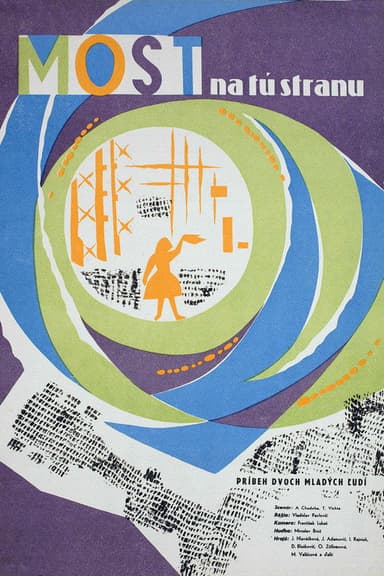
Most na tú stranu
Amazon and eBay links may be affiliate links.
About This Movie
Most na tú stranu (1962) presents a nuanced examination of a young woman's struggle to assimilate into the grueling world of factory life. The tone is raw, almost gritty, capturing the stark realities of labor through a lens that feels both personal and universal. The pacing reflects her tumultuous emotional journey, oscillating between moments of isolation and eventual solidarity with her peers. Themes of work as a means of self-discovery and humanization resonate throughout the film, making it feel deeply relevant. While the performances are understated, there's an authenticity to them that enhances the overall atmosphere, crafting a sense of real struggle and eventual belonging.
Most na tú stranu presents an interesting piece for collectors, primarily due to its limited availability in physical formats and rare screenings. The film's historical context offers a glimpse into the socio-political landscape of the time, making it appealing for those focused on Eastern European cinema. As it often doesn't come up in mainstream discussions, it garners interest for its thematic depth and cultural significance, prompting collectors to seek it out for its unique perspective on the human condition.
Market data
Where to stream Most na tú stranu
Streaming data powered by JustWatch
Collector reviews
Have you seen this?
Rate it and share your take with other collectors.
Discover