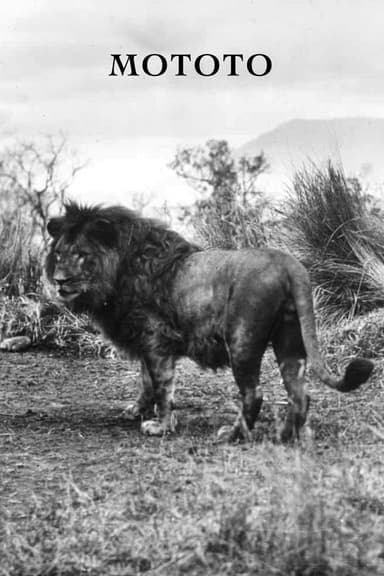
Mototo
Amazon and eBay links may be affiliate links.
About This Movie
Mototo (1932) presents a fascinating glimpse into the natural world. Filmed with a raw, observational style, it captures the everyday lives of various African animals—think hippos lounging by riversides and lions prowling the savannah. The pacing feels meditative, allowing viewers to soak in the mesmerizing rhythms of nature. There's something almost hypnotic about watching these creatures interact, their behaviors portrayed with a kind of honesty that modern documentaries sometimes overlook. The practical effects are, of course, just the raw footage of wildlife, but it’s the authenticity of those moments that stands out. It’s a unique artifact of its time, offering a straightforward yet poetic representation of wildlife that collectors might appreciate for its historical context rather than narrative complexity.
Mototo has a somewhat spotty release history, with few copies surfacing over the years, mostly in obscure archives or private collections. The scarcity of this film adds to its allure for collectors, particularly those interested in early wildlife cinema. While not widely discussed, its unique approach to documenting animal life offers a fascinating contrast to more contemporary productions. As a piece of history, it’s one of those titles that can spark a lot of conversation among collectors who appreciate the evolution of documentary filmmaking.
Market data
Where to stream Mototo
Streaming data powered by JustWatch
Collector reviews
Have you seen this?
Rate it and share your take with other collectors.
Discover
More to Explore
✨
🎬
Discover More Movies
Explore our complete collection organized by genre