The Right to Be Happy
Amazon and eBay links may be affiliate links.
About This Movie
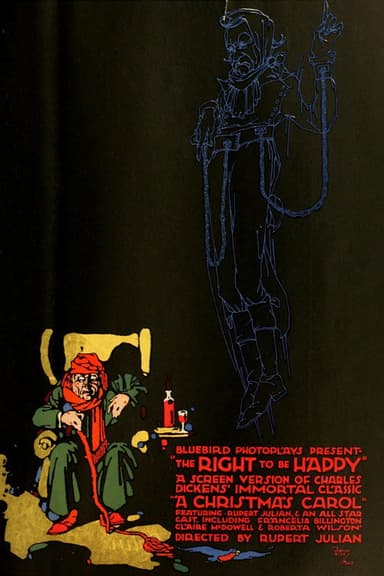
The Right to Be Happy is one of those elusive gems from the silent era, and what we know about it hints at a profound exploration of human emotions. The pacing, typical for 1916 dramas, likely flows with a mix of sentimentality and earnestness, allowing the narrative to breathe, even if we can't see it ourselves. Themes of personal fulfillment and societal constraints resonate, making it a poignant reflection of its time. The performances, though lost to history, would have been grounded and expressive, utilizing the visual storytelling that silent films excelled at. It’s a shame we can't view it, but the idea of what it might have contributed to the conversation around happiness—both personal and collective—is intriguing.
The Right to Be Happy is a particularly rare entry in early cinema, with much of its content lost to time, which makes it a subject of ongoing interest among collectors. Various formats have come and gone, but finding any surviving material remains a challenge. Its obscurity only adds to its allure, drawing in enthusiasts who appreciate the lost narratives of the silent film era.
Market data
Where to stream The Right to Be Happy
Streaming data powered by JustWatch
Collector reviews
Have you seen this?
Rate it and share your take with other collectors.
Discover