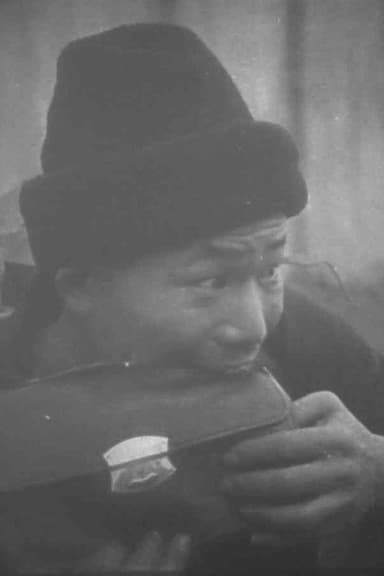
There is No Poverty at the End of Labor
Amazon and eBay links may be affiliate links.
About This Movie
So, 'There is No Poverty at the End of Labor' is really interesting, especially considering it’s the oldest surviving film from Korea. It has this charming 1920s vibe, and you can feel the social commentary bubbling beneath its comedic surface. The pacing is a bit leisurely, which gives it a unique rhythm, and the practical effects are quite clever for the time. Performances have a certain earnestness, making the humor feel genuine rather than forced. You can tell there’s a lot of cultural significance wrapped up in its themes, particularly around labor and enlightenment, which makes it distinct from other comedies of the era. It’s a fascinating piece to explore, not just for its comedic elements but also for its historical context.
As the oldest surviving film from Korea, 'There is No Poverty at the End of Labor' holds a special place in film history. Its scarcity makes it quite sought after by collectors, particularly those interested in silent cinema and the evolution of Korean film. Various formats have surfaced over the years, but the original prints remain elusive, adding to its allure in collector circles.
Market data
Where to stream There is No Poverty at the End of Labor
Streaming data powered by JustWatch
Collector reviews
Have you seen this?
Rate it and share your take with other collectors.
Discover